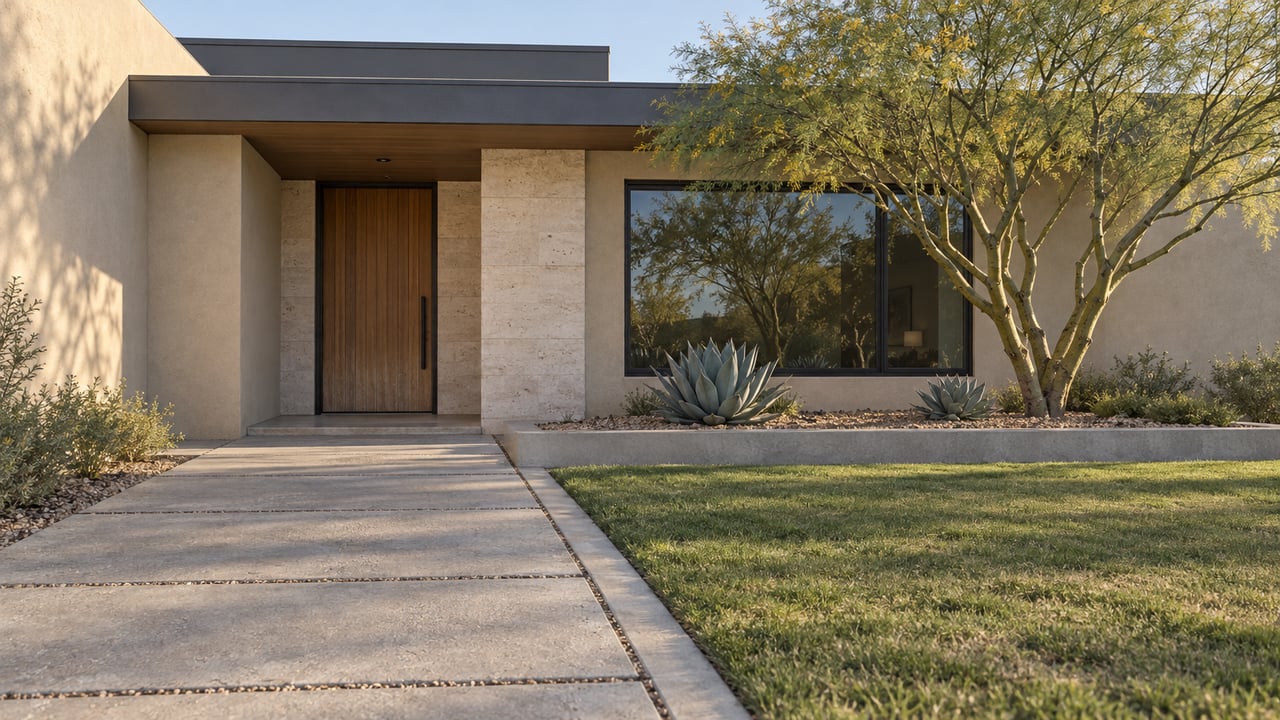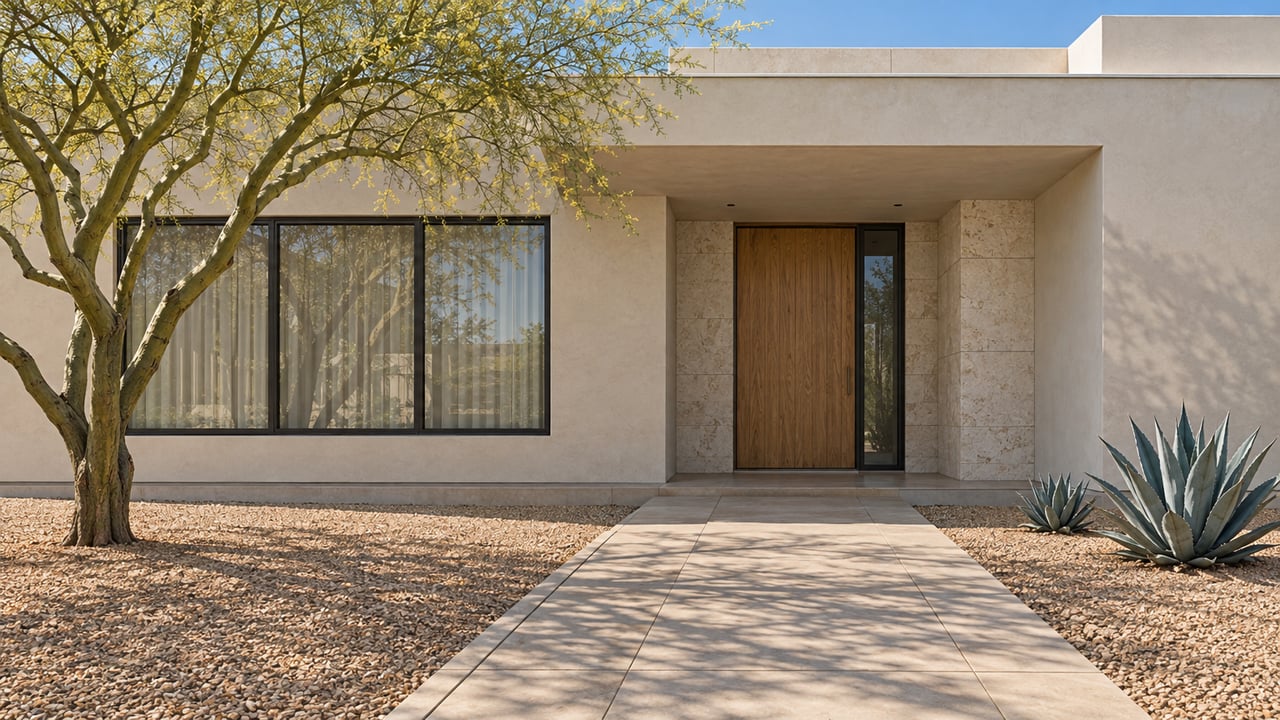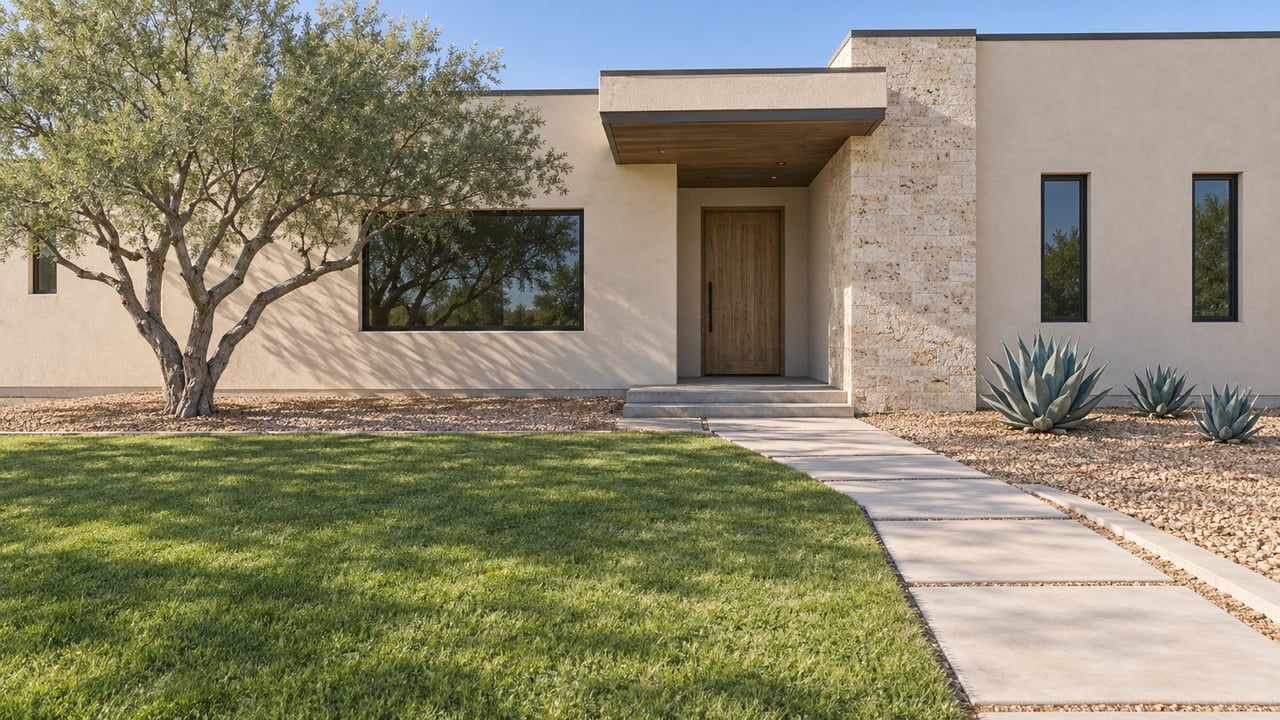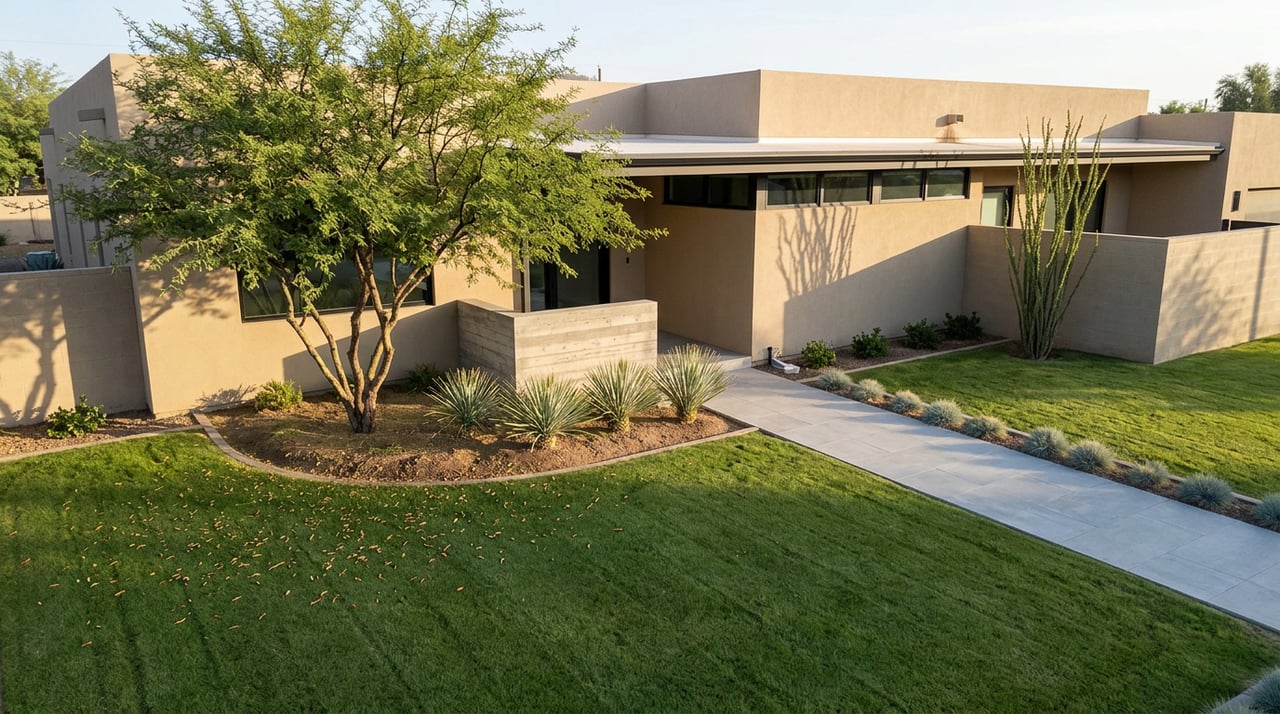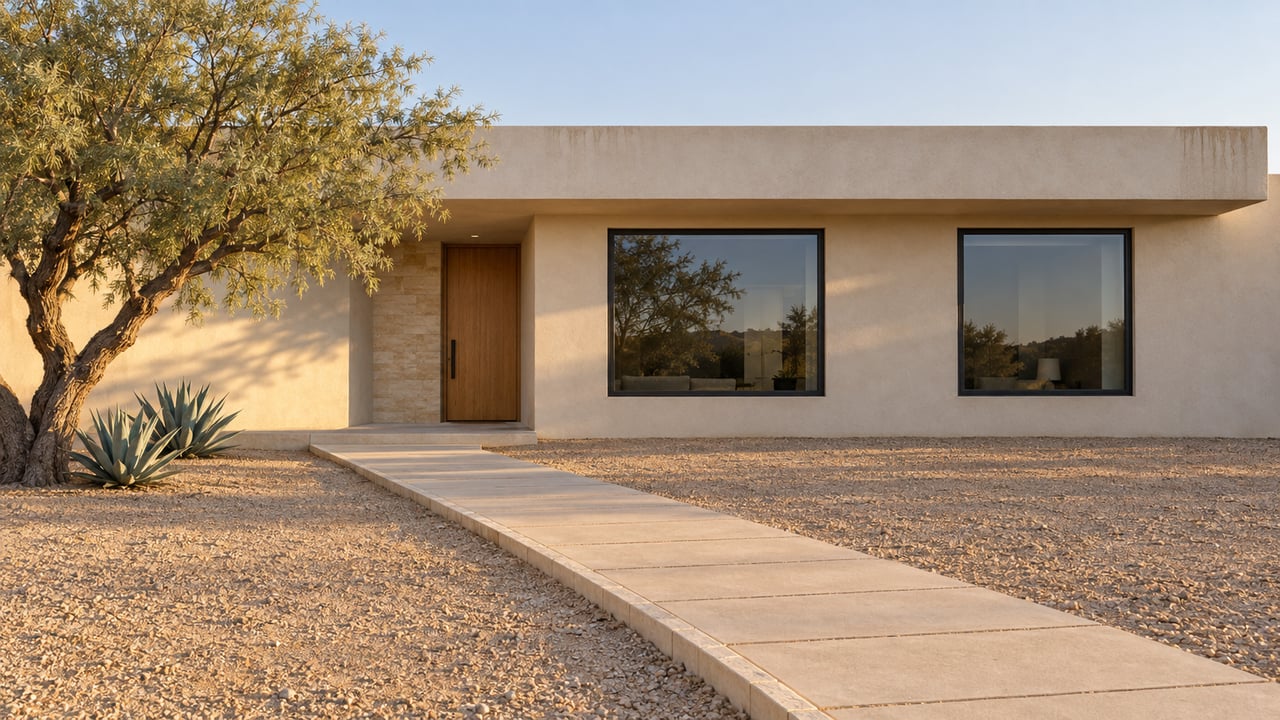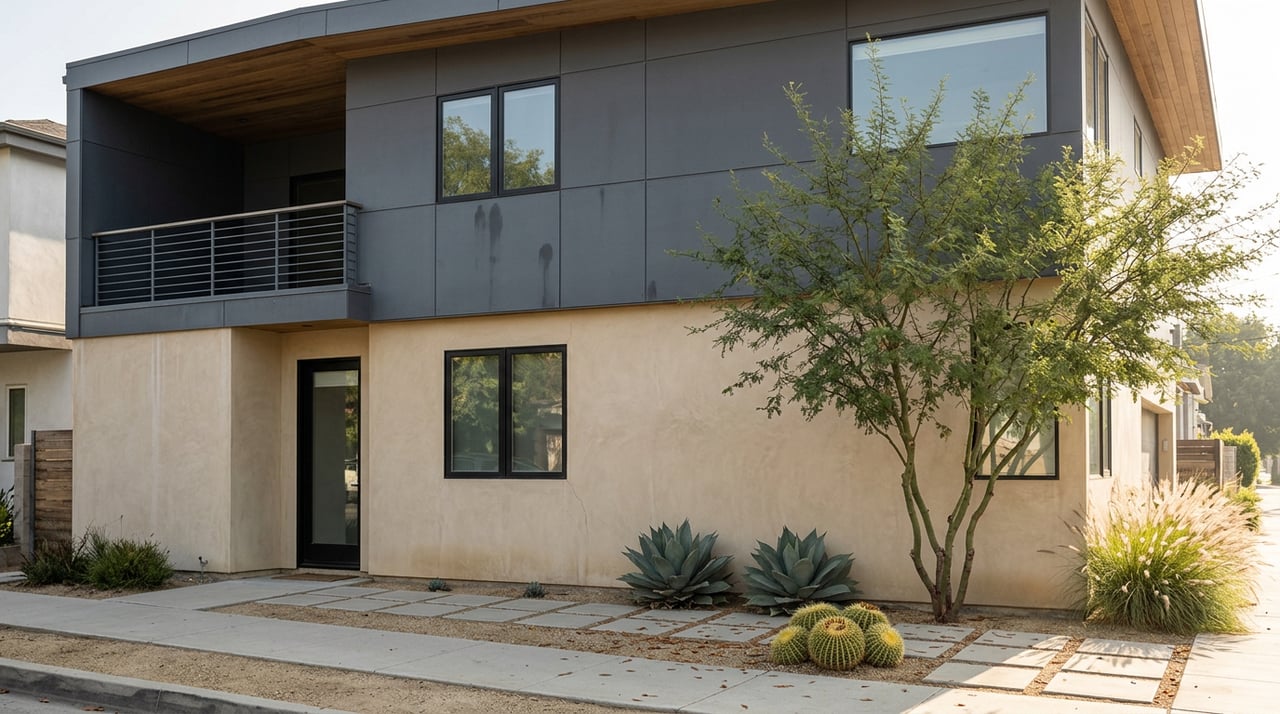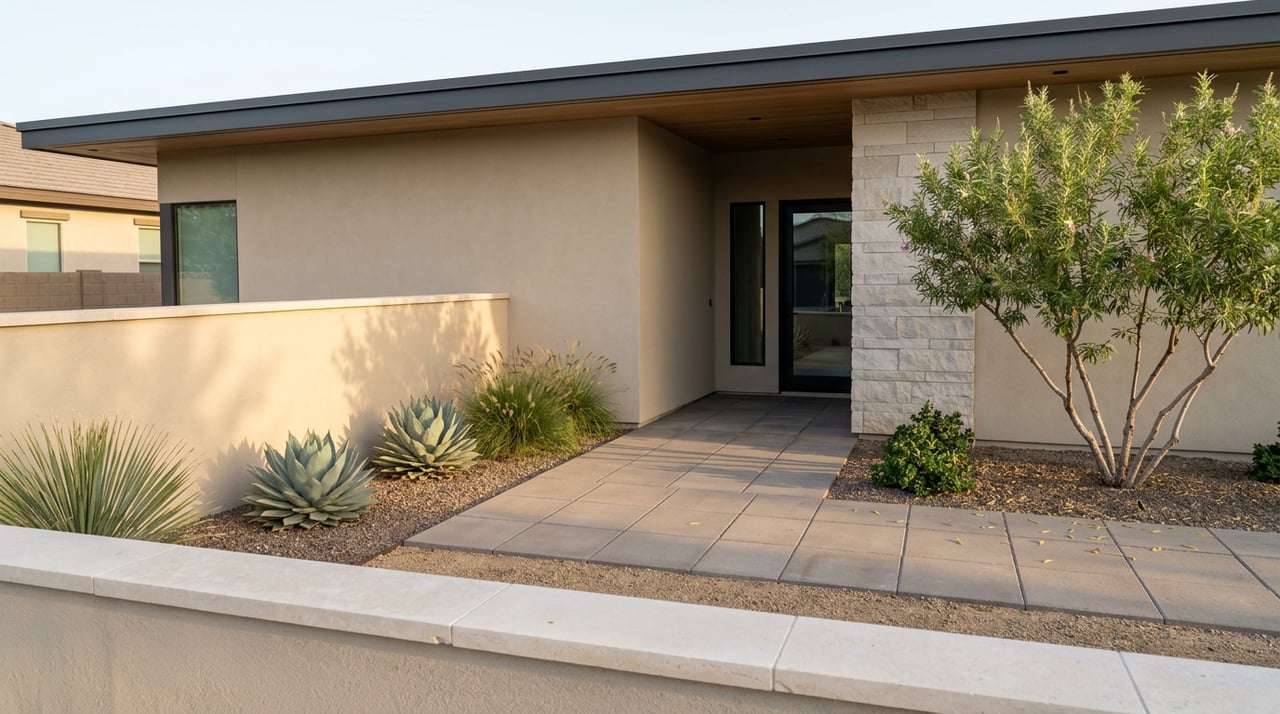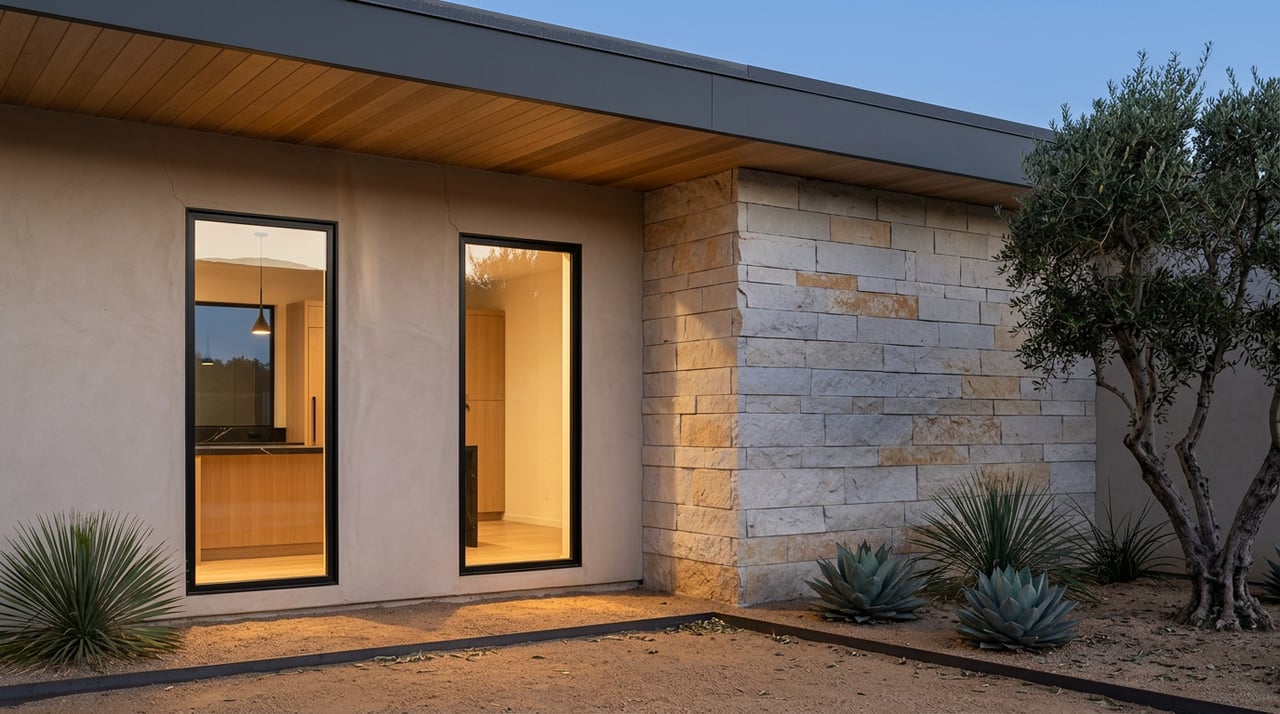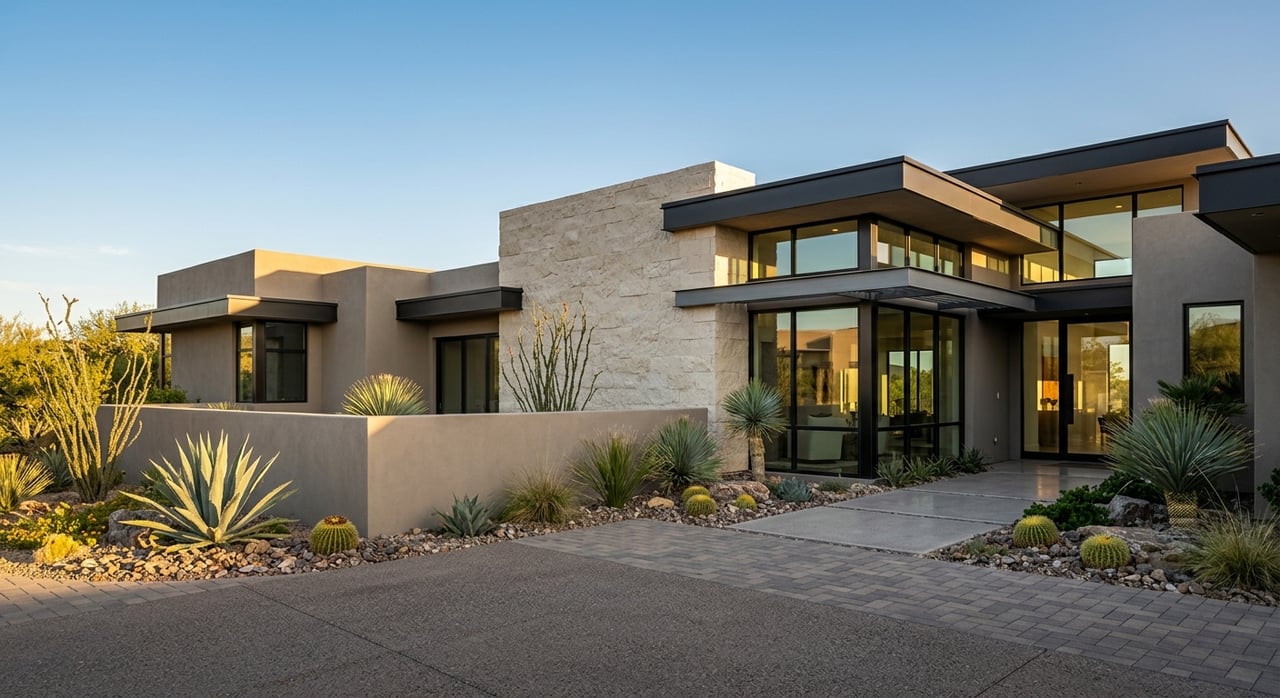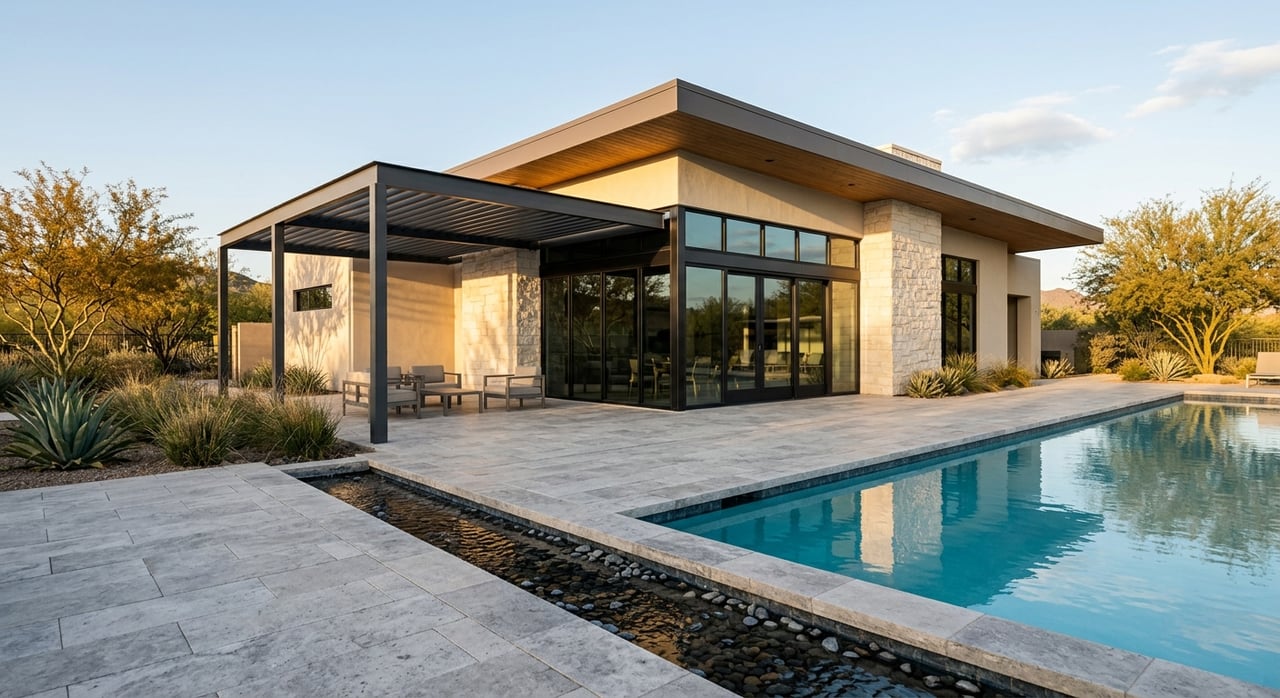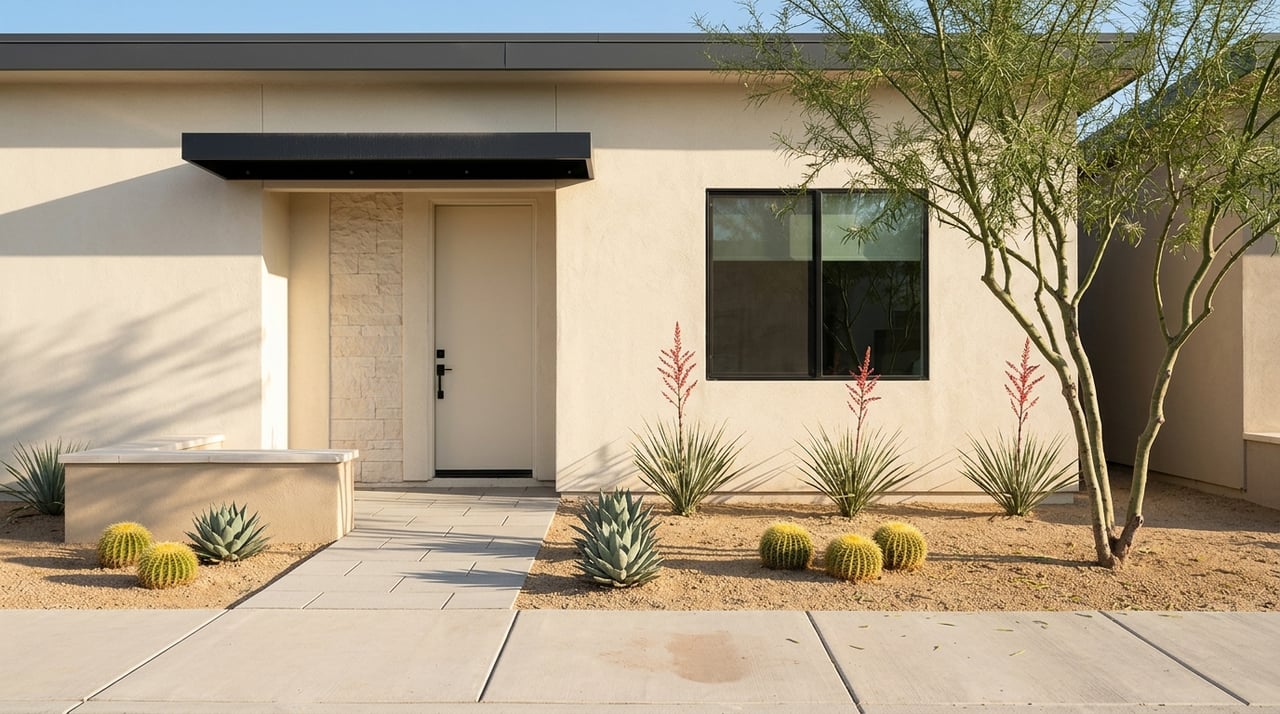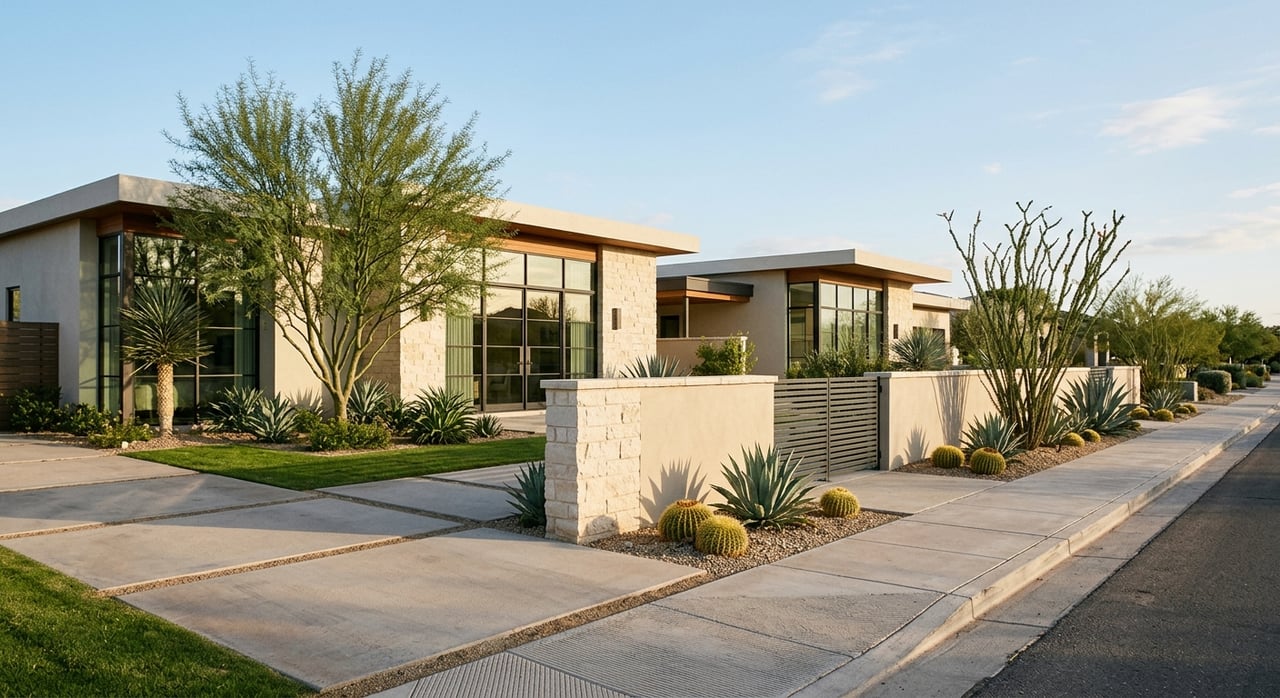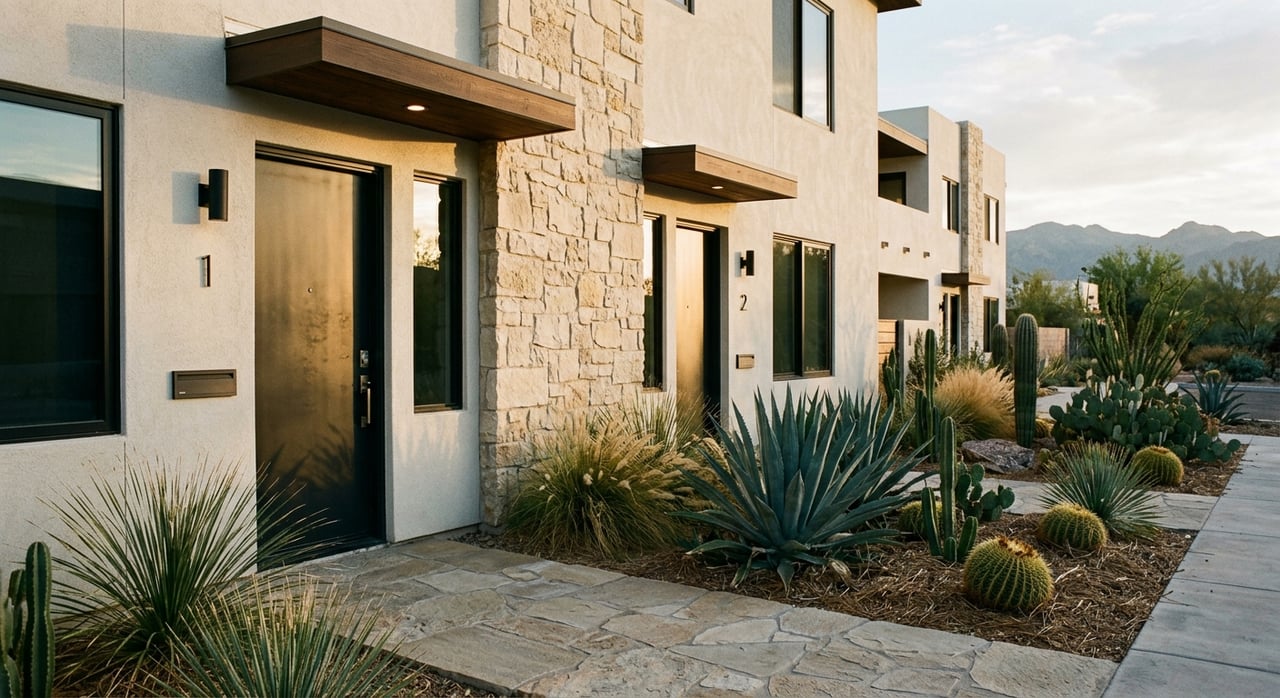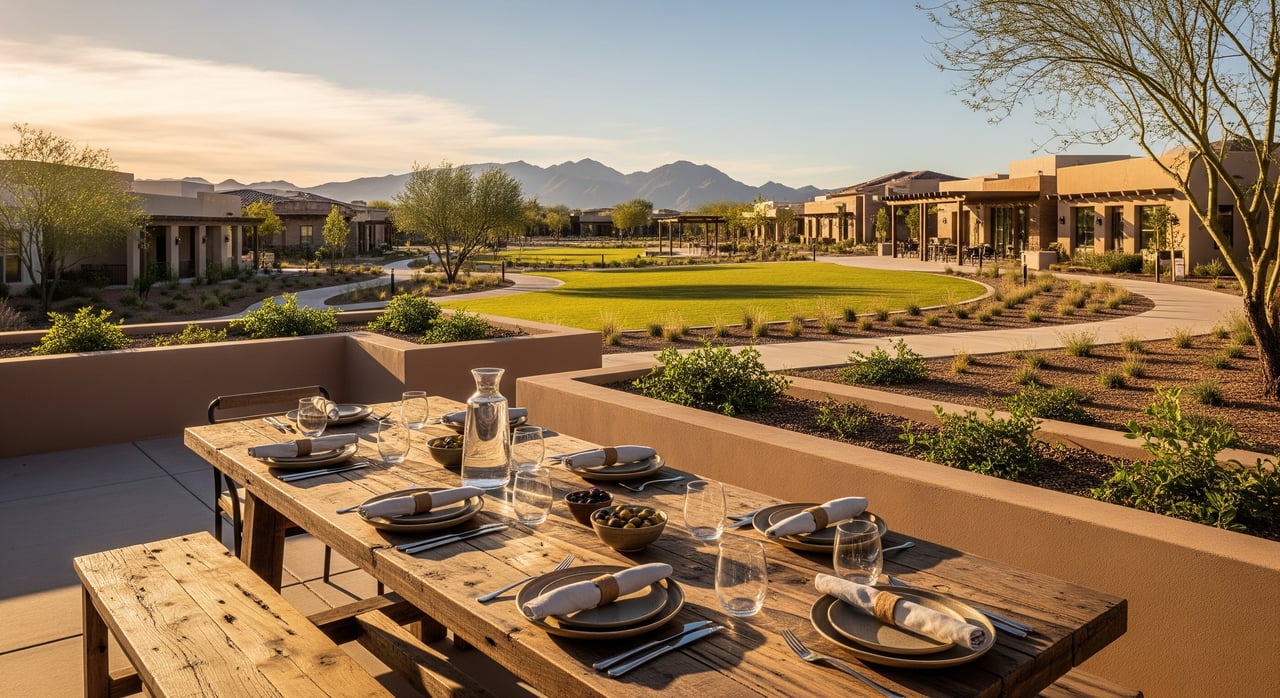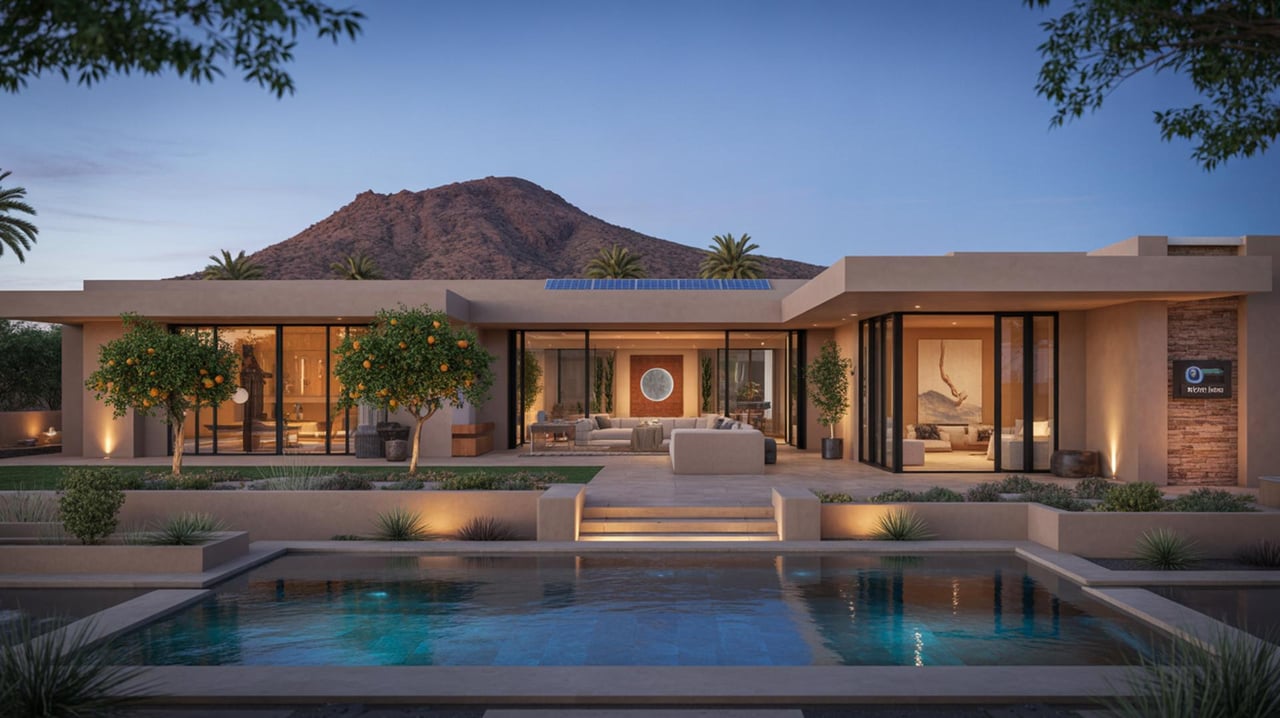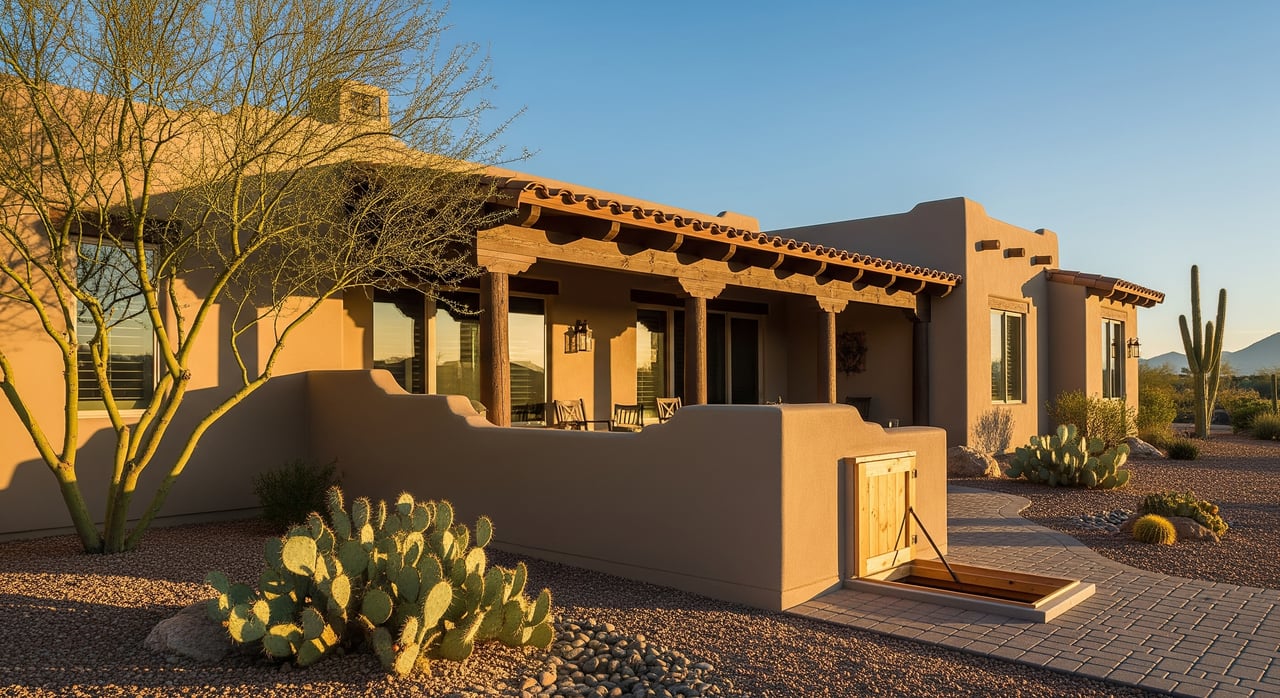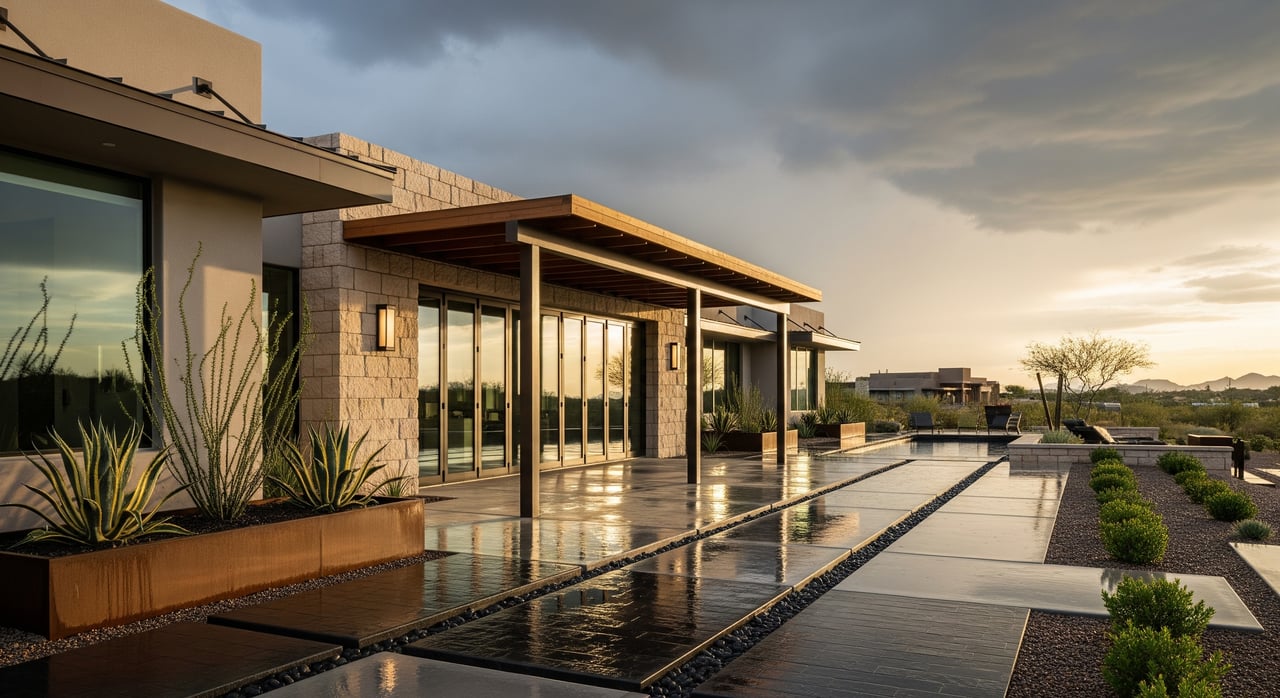
Picture two houses on the same Dobson Ranch street, permitted the same year, priced within a few thousand dollars of each other. One sails through its ten-day inspection period, which Provident Lawyers describes as standard with a short Buyer's Inspection Notice and a quick seller sign-off. The other comes back with a repiping estimate stapled to the report and a seller who had no idea what was running behind the drywall. Same era, same lake view, same golf course frontage. Different pipe in the wall, because a different builder poured the slab.
That gap is worth understanding before a Mesa home goes under contract, on either side of the table. The build year on the tax record tells you less than most guides assume. What actually predicts your inspection results, and how rough your BINSR negotiation gets, is which builder built your subdivision and which pipe material that builder chose.
The pipe map hiding under Mesa's build years
Mesa's housing stock spans more than a century of Sonoran Desert construction, and each era left its own plumbing signature. Central Mesa still holds 1950s adobe and block homes, the tract neighborhoods of Dobson Ranch and the Red Mountain corridor went up through the 1970s and 1980s, and construction is still active today in the Power Road and Eastmark areas.
Downtown Mesa, the Evergreen Historic District, and older residential pockets near Mesa Drive and through West Mesa mostly predate 1970. Homes from that era typically ran galvanized steel supply lines. Galvanized steel corrodes from the inside out, and by the time a homeowner notices rust-tinted water or falling pressure, the pipe has usually been degrading for decades. At that stage it's rarely a single bad fitting. It's a whole-system problem.
Dobson Ranch tells a different story. Built out between 1973 and 1999 as Mesa's first planned community, it landed squarely in the years when builders across the Valley moved away from galvanized steel toward CPVC and grey polybutylene pipe. Both materials showed up in Mesa homes roughly from 1978 into the mid-1990s, and neither one is universal. It varied by builder and by subdivision. CPVC tends to go brittle where it runs through hot attic space, cracking at joints over time. Grey poly has a rougher track record: municipal water treatment chemicals break it down from the inside regardless of how much the pipe is actually used, so age is often the deciding factor rather than wear.
Newer northeast and southeast Mesa communities, including Las Sendas, Red Mountain Ranch, Mountain Bridge, and the still-growing Eastmark, Cadence, and Hawes Crossing builder communities, sit on the other side of that shift. PEX has become the standard choice for whole-home water lines in Mesa because it holds up better against the area's heat and shifting soil than either of the materials it replaced, and it's what today's Valley builders run as a matter of course.
| Build Era | Where You'll Find It in Mesa | Typical Supply Piping | What Tends to Show Up on Inspection |
|---|---|---|---|
| Before 1970 | Downtown Mesa, Evergreen Historic District, West Mesa, older blocks near Mesa Drive | Galvanized steel | Reduced pressure, rust-tinted water, corrosion that's usually systemic |
| 1973 to mid-1990s | Dobson Ranch, Red Mountain corridor tract neighborhoods | CPVC or grey polybutylene, depending on builder | Brittle attic-run joints (CPVC) or internal degradation regardless of use (grey poly) |
| 2000s to present | Las Sendas, Red Mountain Ranch, Mountain Bridge, Eastmark, Cadence, Hawes Crossing | PEX | Plumbing rarely drives negotiations; findings cluster around roof, pool, HVAC age |
Why the builder matters more than the year on the permit
This is where the assumption most buyers carry into a Mesa purchase falls apart. It's tempting to treat "Dobson Ranch" or "built in 1975" as a single data point, a stand-in for what's behind the walls. But Dobson Ranch's own homeowners association history notes that while Continental Homes built most of the single-family stock, several other builders came in to construct custom and semi-custom homes and townhomes throughout the same community. Two houses sharing a lake view and a permit year can carry entirely different plumbing risk if a different builder poured the foundation next door.
That isn't a Dobson Ranch quirk. It's how most Mesa neighborhoods built out during the CPVC and grey poly window worked, subdivision by subdivision, sometimes phase by phase within the same subdivision. The build year on a listing sheet tells you the era. It doesn't tell you the builder, and the builder is what decided the pipe.
What that means once the inspection report lands
Arizona's purchase contract puts a clock on all of this regardless of what turns up. Sellers typically deliver the Seller's Property Disclosure Statement within five days of contract acceptance, buyers get a standard ten-day window to inspect, and once a Buyer's Inspection Notice and Seller's Response goes in, the seller has five days to answer it, as AZ Mortgage Brothers explains. What changes is how much gets crammed into those windows.
Roof condition, pool equipment, and termite activity show up on close to every Arizona inspection report, in Mesa as much as anywhere else in the Valley, so both sides generally expect to negotiate around those. Plumbing behaves differently by era. When it surfaces at all in a newer, PEX-plumbed Eastmark or Las Sendas home, it's usually a minor fixture issue. In a Dobson Ranch or Red Mountain corridor home built inside that CPVC and grey poly window, a plumbing finding can turn a routine BINSR into a request for a partial or full repipe, adding real dollars and real days to a negotiation nobody budgeted for going in.
For homes built before 1995, buyers are also well served scoping the sewer line before waiving that contingency, particularly on lots with mature trees. Root intrusion in aging waste lines doesn't always announce itself with a slow drain, and it rarely shows up on the SPDS if the seller never had a reason to look.
Getting ahead of it before the sign goes in the yard
Sellers in Mesa's older subdivisions have the most to gain from finding out what pipe they actually have before a buyer's inspector does. A plumbing camera scope costs far less than a surprise mid-escrow repipe estimate, and disclosing a known material honestly on the SPDS keeps a seller out of the exact kind of dispute Arizona's disclosure law exists to prevent. Buyers touring anything built between the mid-1970s and mid-1990s should ask the listing agent directly what supply pipe the home has, rather than assuming the subdivision's reputation, or its price per square foot, answers that question for them. A downtown Mesa bungalow priced around $358,000 and an Eastmark new build near $615,000, both as of July 2026, sit at opposite ends of Mesa's price spectrum for reasons that have nothing to do with which one is more likely to need a repipe.
FAQ
Does a newer subdivision guarantee newer plumbing? Not on its own. PEX is standard in Mesa's newest builder communities, but a home's plumbing risk is set by which builder framed it and when, not by the subdivision's overall reputation or its median price band.
How can I find out what pipe material a Mesa home actually has without opening a wall? A licensed plumber can run a camera scope or check accessible sections at the water heater and under sinks in far less time than a full home inspection takes. For anything built between the mid-1970s and mid-1990s, it's worth doing before an offer goes in, not after.
Is a seller required to tell me if they know about old or failing pipes? Arizona requires sellers to disclose known material facts that affect a property's value on the Seller's Property Disclosure Statement. That obligation covers what the seller actually knows, so a plumbing issue never diagnosed won't appear on the form even when the pipe itself is original to the house.
Mesa rewards buyers and sellers who look past the permit date. Whether you're weighing an older Dobson Ranch or Red Mountain corridor property against something newer near Eastmark, or getting a legacy Mesa home ready to list, Jesse Lowery brings a contractor's eye to the walkthrough before the inspector ever shows up. Reach out for a straightforward read on what your specific address is likely to reveal, and what it's worth once it does.
This article is general information, not legal, tax or financial advice. Consult a qualified professional about your situation.