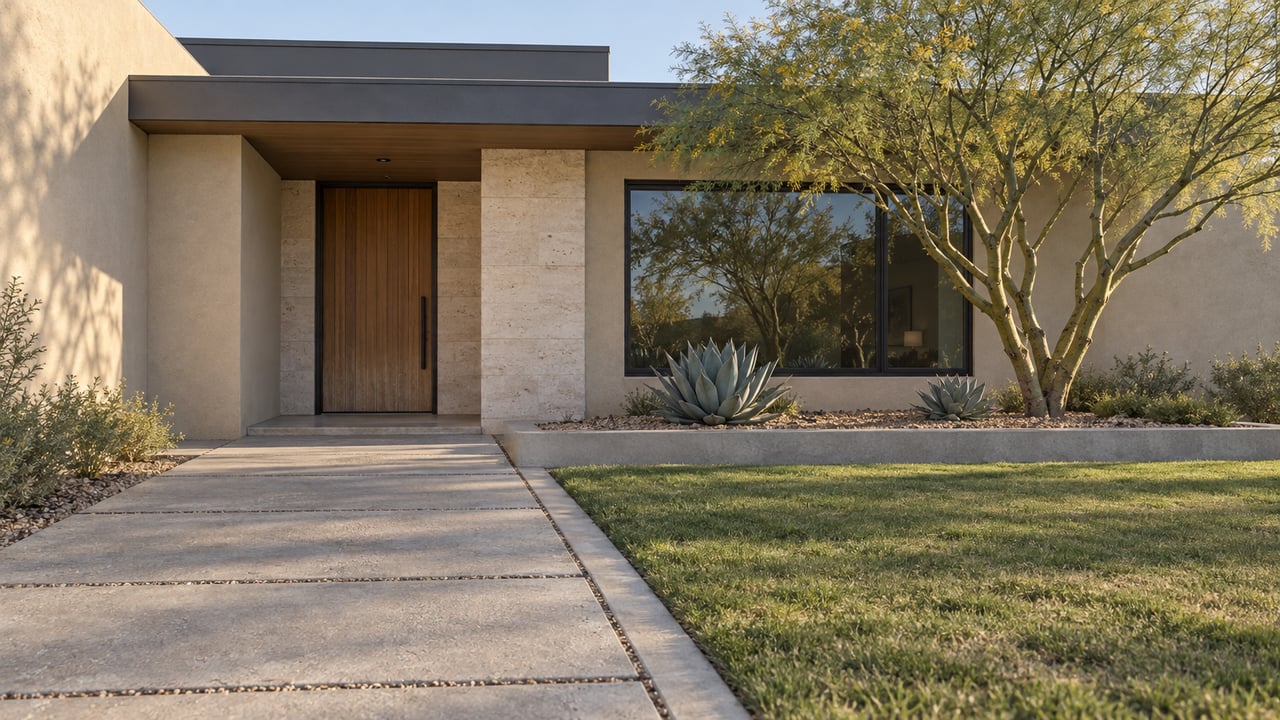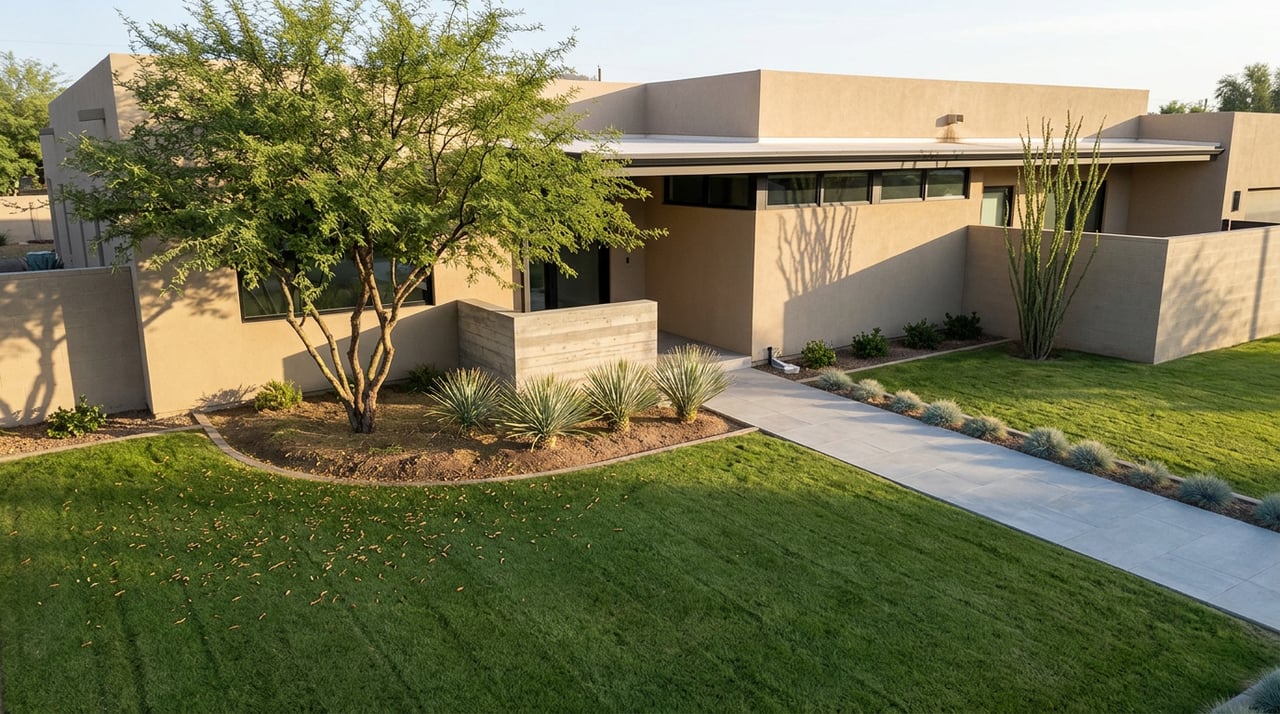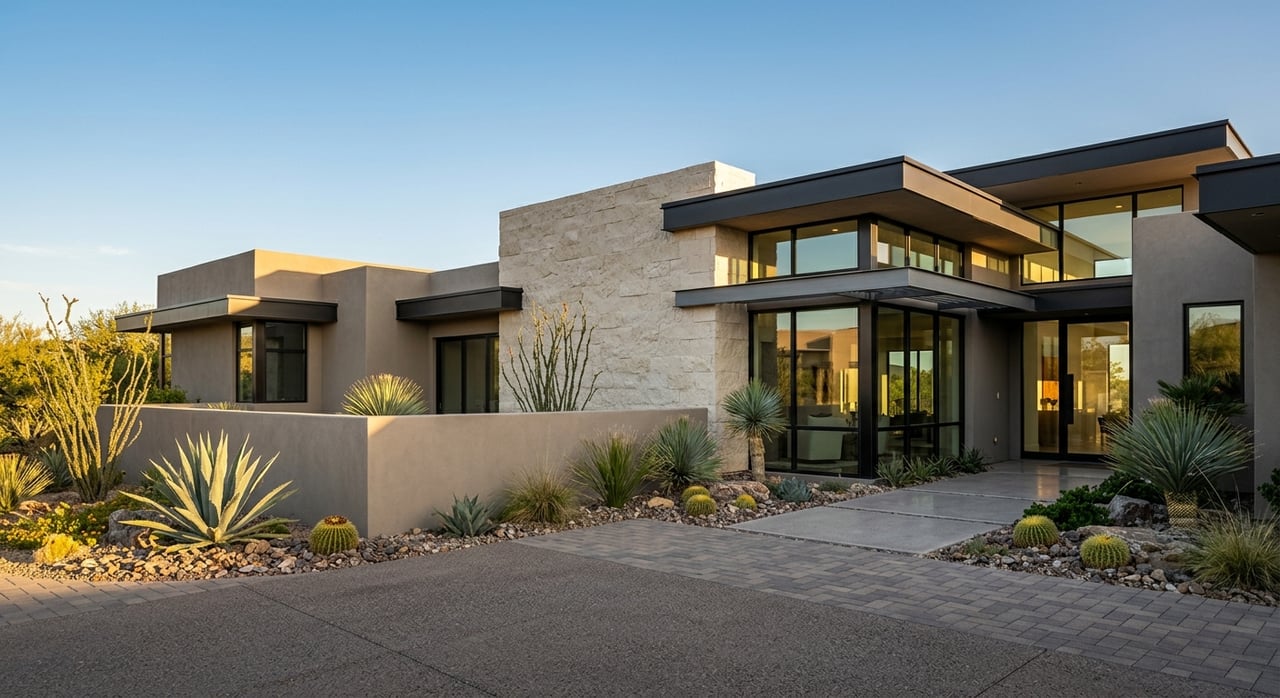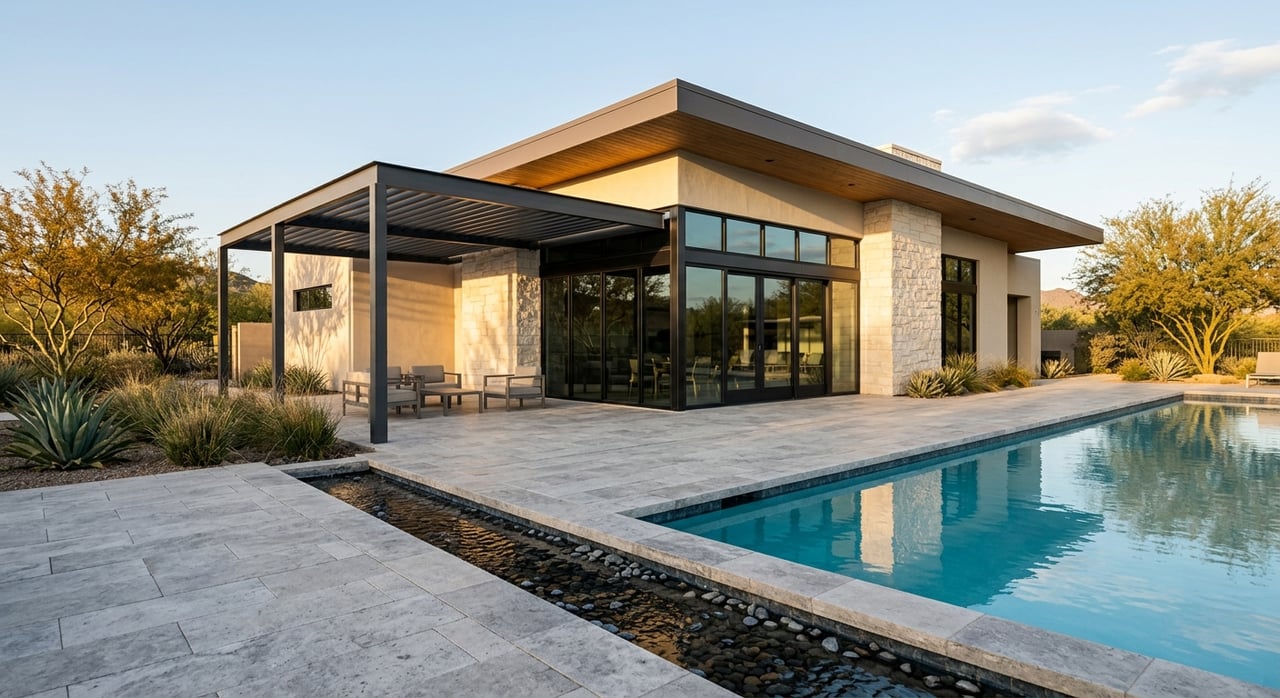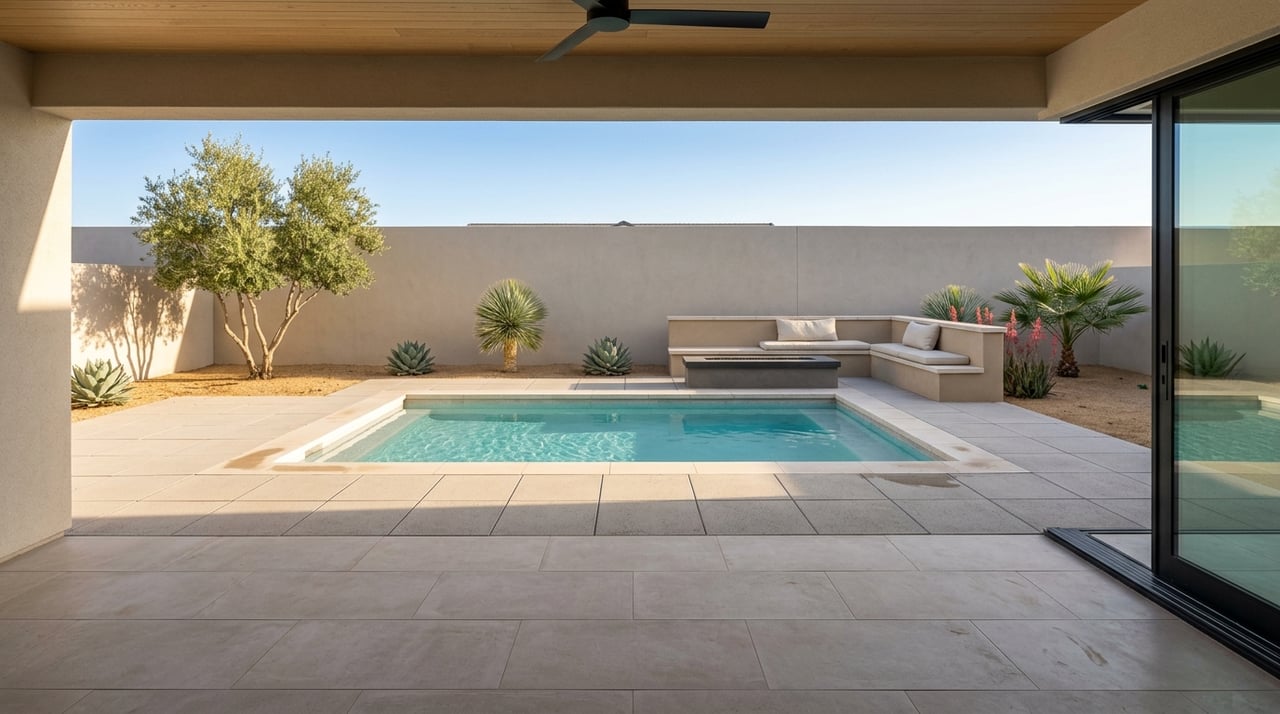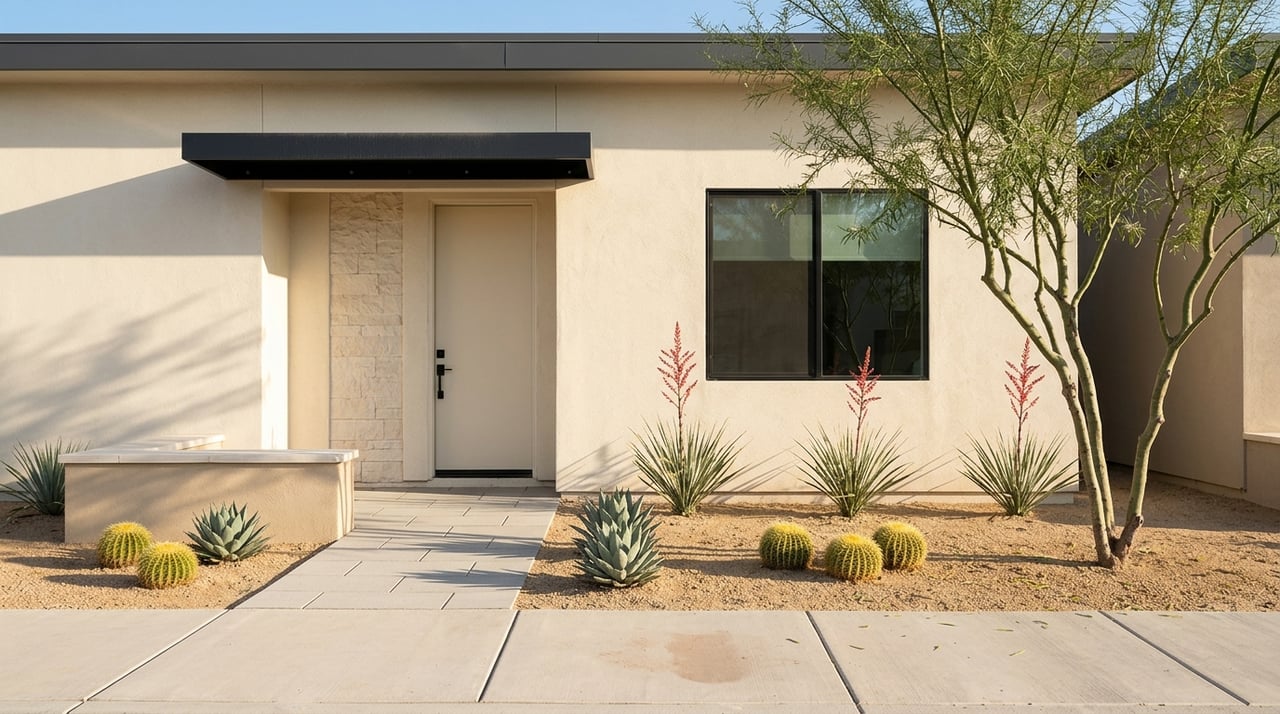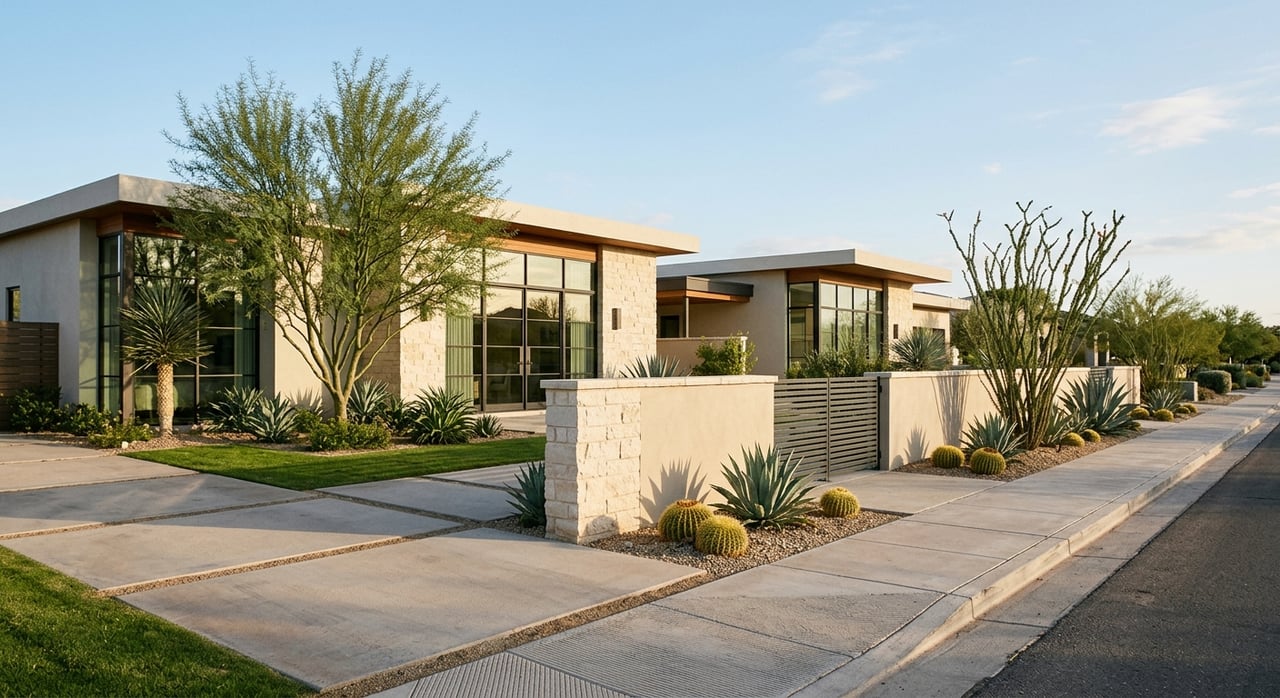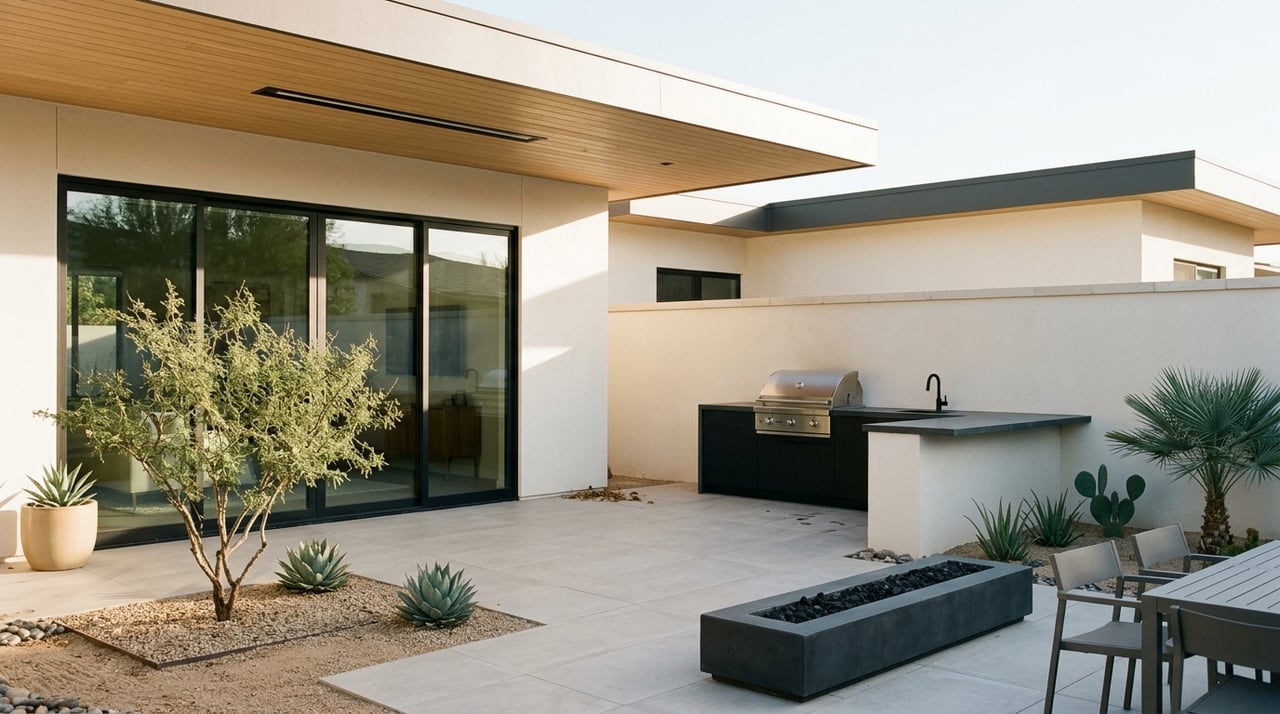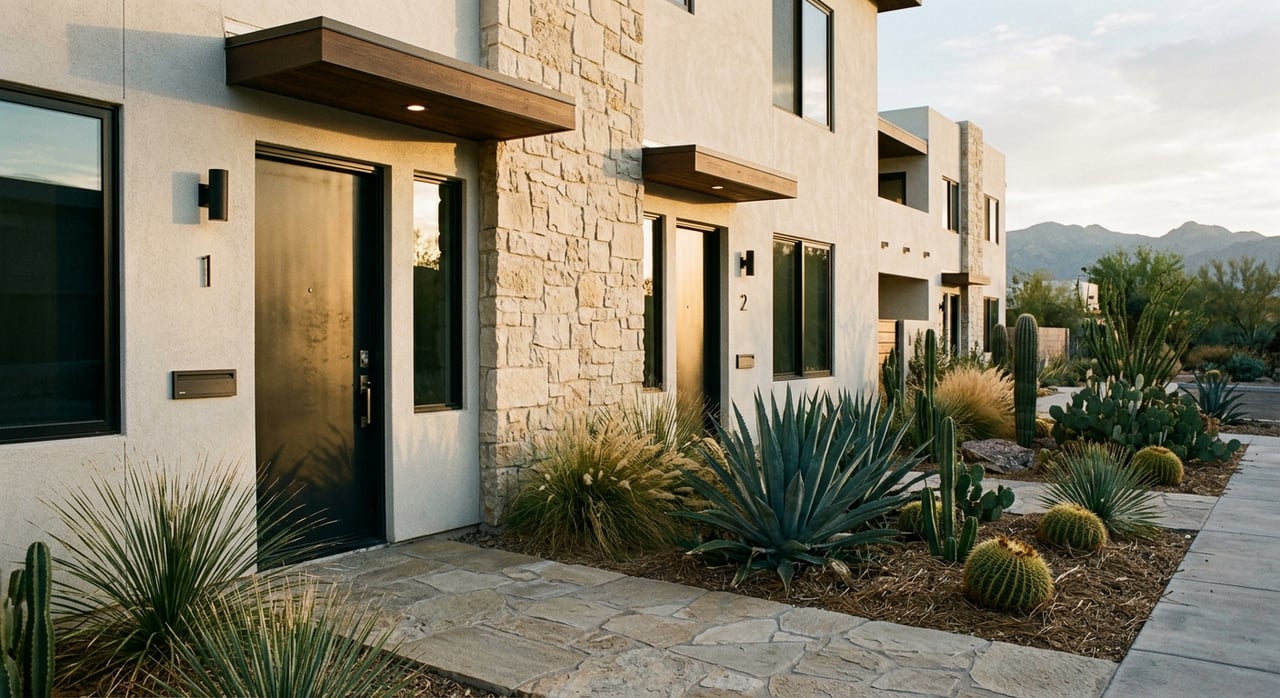
Buyers reviewing a Queen Creek home have long been able to find the groundwater replenishment cost on the property tax bill, listed as a CAGRD assessment. That number has been subsidized since 2018. Under a proposal now headed to a Nov. 18, 2026 hearing, it would leave the tax bill entirely. The replacement would be billed by the gallon on the water bill. Two features of the house would decide how much it costs: whether it's connected to Town sewer, and how much water goes on the landscaping.
So the comparison buyers have relied on is about to change. Two homes with nearly the same tax bill today could carry very different water bills by 2028.
Why the tax-bill number was never the full cost
The Central Arizona Groundwater Replenishment District bills enrolled subdivisions, called Member Lands, once a year on the county tax bill. The charge has two parts. One is a fixed membership due. The other is a replenishment assessment based on the excess groundwater the parcel's water provider reported, and it's billed in arrears. For 2026/27, member land dues are $29.47 per lot in the Phoenix AMA and $22.93 in the Pinal AMA. The replenishment rate is $944 per acre-foot in the Phoenix AMA and $952 in the Pinal AMA, up from $903 and $915 the year before.
Queen Creek residents haven't paid those rates in full. Since 2018, the Town Council has applied groundwater credits at the maximum allowable amount to reduce customers' CAGRD assessments, as a stopgap until a long-term solution was in place. The Town says those offsets cut assessments by 33% to 100%, depending on each subdivision's development history. The 2026 offset alone was $12.4 million, bringing a $17.9 million CAGRD obligation down to $5.5 million. The Town puts cumulative savings at $71.1 million since 2018.
That means the CAGRD figure on a Queen Creek tax bill mostly reflects how large a credit the Town applied to that subdivision. It says little about what the house will cost to run once the credit system ends.
What the Town proposed in September
On Sept. 16, the Town Council voted unanimously to issue notices of intent on six utility-related rates, and the water resource fee drew the most attention. The Town's Sept. 17 release sets the year-one fee at $3.07 per 1,000 gallons, based on usage. It would replace the CAGRD assessment that 89% of customers see on their property tax bills.
At the November hearing, Council will set year one only. Scott McCarty, Queen Creek's deputy city manager and chief financial officer, said the Town will "come back every year for those first six years." The Town's published schedule puts the earliest effective date at Jan. 27, 2027, with the first bills carrying the fee on March 9, 2027. McCarty also said the fee pays for water replenishment, which is separate from consumption charges.
As of today, the fee is a proposal and has not been adopted.
The sewer connection splits the customer base roughly in half
The Town's proposal gives residential customers a 40% credit for the water the Town gets back through its wastewater system. Only households that pay the Town for sewer service get it. In the Town's 2025 breakdown, 9,719 single-family accounts, or 53%, were water-only. The other 8,559, or 47%, paid for both water and Town sewer. The Queen Creek Tribune describes the water-only group as households on private sewer systems or septic.
Here's how far apart the two groups end up under the Town's own figures:
| Scenario | Town sewer customer | Water-only customer |
|---|---|---|
| Town's year-one example, 10,000 gallons a month | $18.42/month | $30.70/month |
| Town projection, average single-family user, year one | $16/month | $40/month |
| Town projection, average single-family user, year six | $57/month | $138/month |
The first row comes from the Town's Sept. 17 release. The second and third rows come from projections the Tribune reported from the Town's presentation. The rows don't line up exactly because they rest on different usage assumptions, and the Tribune cautions that "average" use hides wide differences between households. Annualized, the year-six projections are about $684 for a sewer customer and $1,656 for a water-only customer.
Councilmember Travis Padilla, himself a water-only customer, said his water costs would climb 242% over six years and warned that more desert landscaping would follow.
This matters for the buyer of a larger-lot Queen Creek home, where septic or private sewer is more common. The water-only rate will apply until something changes, and the only things the projections let a buyer influence are the water footprint and the sewer status.
The yard is the second variable, and the HOA's yard counts too
Once sewer status sets the rate, gallons set the bill. The Tribune reports that 67% of Queen Creek's water goes to uses outside the home. McCarty explained why the fee ramps up over six years instead of arriving all at once: "It gives customers, especially big users like HOAs a chance to change consumption habits, such as replacing some of their landscaping. And, it mitigates the initial financial impacts and gives people time to adjust."
That's where the HOA comes in. HOAs account for 19% of Queen Creek's replenishment obligations. If they make no changes, their combined bill is projected to rise from $1.9 million in year one to $15.2 million in year six, and the Tribune notes those costs can be passed on to members. In a community with large irrigated common areas, a home buyer could feel the fee twice. It shows up once on the water bill and again in future dues.
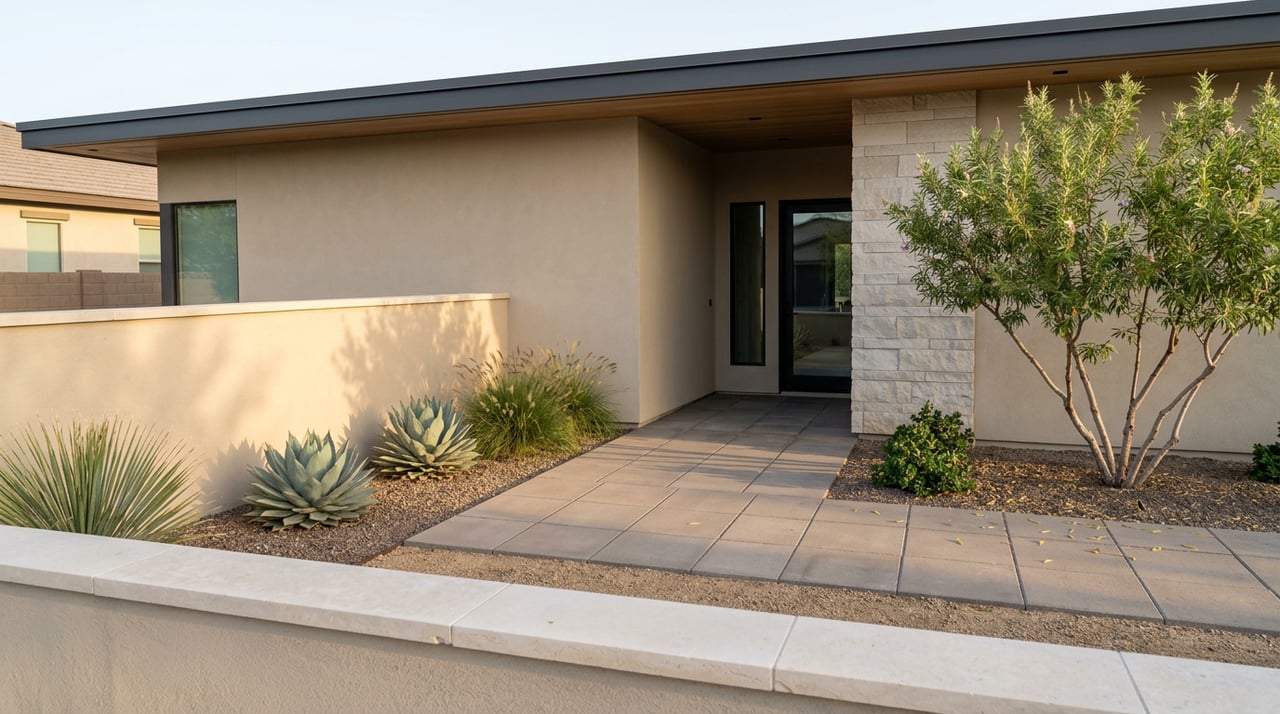
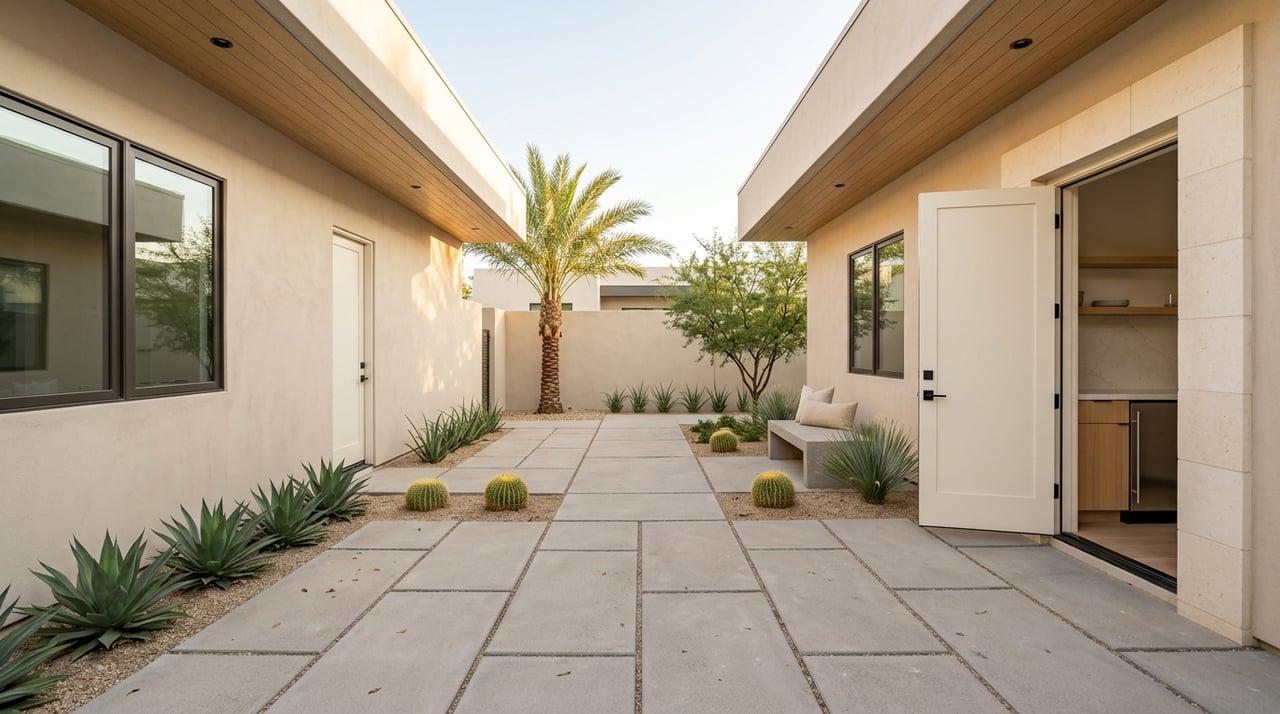
Our contractor background matters here. Converting turf to xeriscape is a construction project, and it has a cost and a timeline that can be estimated. The fee's six-year ramp now gives that project a payback period. When we walk a Queen Creek property, we treat the irrigated square footage as part of the carrying cost, the same way we treat the roof or the HVAC.
The homes this fee won't touch, and the ones it hits hardest
A Queen Creek mailing address doesn't settle anything. The Town's incorporated boundary and its water service boundary are different lines. Some residents with Queen Creek addresses get water from private companies, so the Town directs people to an address-level provider map. One example is Bella Vista Farms North, the area south of Skyline Drive and north of Roberts Road between Gantzel Road and Sierra Vista Drive, where water and wastewater service passed to EPCOR. The Town's calculator also excludes accounts in its Diversified Water Service Area from the increase. And 11% of Town water customers are exempt from the Groundwater Management Act's assured-supply obligation, so they have no CAGRD assessment for the new fee to replace.
Flood-irrigated acreage sits at the other end. Flood irrigation makes up 5% of the Town's replenishment requirement. Every public comment at the Sept. 16 meeting came from flood-irrigation customers, and nine county-island residents said the projected fees could raise annual costs on multi-acre agricultural properties to as much as $200,000. Utility Director Marc Skopycec said staff would bring "detailed alternatives." Mayor Julia Wheatley said the 60-day period is meant to evaluate the structure and phasing, adding, "We will figure out a way to be equitable." We covered how those irrigation systems work in our earlier post on the real cost of "no HOA, flood irrigation" in Queen Creek. Until Council acts on those alternatives, any projection for acreage is provisional.
Why the ramp runs ahead of the water
The fee pays for a long-term supply that hasn't arrived yet. In late 2025 and early 2026, Queen Creek bought 1.7 million acre-feet of water from the Harquahala Basin, about 100 miles northwest of town, as part of a 3.7 million acre-foot, $730 million plan to supply the town for the next century. As the first municipality to secure Harquahala water, Queen Creek paid $15,000 an acre-foot. The Tribune reports the price has since doubled to about $30,000 for other buyers. The Town says Harquahala will cut local groundwater dependence to 6%, while reliance on the Colorado River stays near 10%.
Much or all of the first six years of fees will be collected before Harquahala water reaches Queen Creek taps. The water still has to clear an environmental review because it will travel through the federal Central Arizona Project canal. For anyone planning to own in Queen Creek over the next several years, the year-one rate is the starting point of a six-year ramp, and each year's step needs its own Council vote.
Checking a specific address before you write an offer
- Confirm the water provider. Run the address through the Town's provider map. Don't rely on the mailing address.
- Run the subdivision through the calculator. The Town's water future page estimates the full CAGRD assessment, what's left after Town offsets, and the projected fee. A subdivision that isn't listed has no CAGRD fee on its property taxes.
- Ask for a Town sewer bill. If the seller has none, plan around the water-only rate.
- Measure the irrigated area. Turf, citrus and pools drive the gallons that the fee multiplies.
- Ask the HOA how much common-area water it uses and what it plans to do about it. It holds 19% of the town's obligation as a group.
- Track the decision. Public meetings are Oct. 13 and 20 at 5:30 p.m. at the Community Chambers, 20727 E. Civic Parkway. Staff open houses at the Municipal Services Building, 22358 S. Ellsworth Road, run Oct. 7, 12, 20 and 28 and Nov. 5, 9 and 17, before the Nov. 18 hearing at 6:30 p.m.
None of this is tax or financial advice. These are the questions that now shape what a Queen Creek home costs to keep.
If you're weighing a Queen Creek purchase or getting ready to list, Jesse Lowery can walk the property with you. We'll check sewer status, measure the irrigated footprint and price what a landscape conversion would take, so the water fee shows up in your numbers before it shows up on a bill.