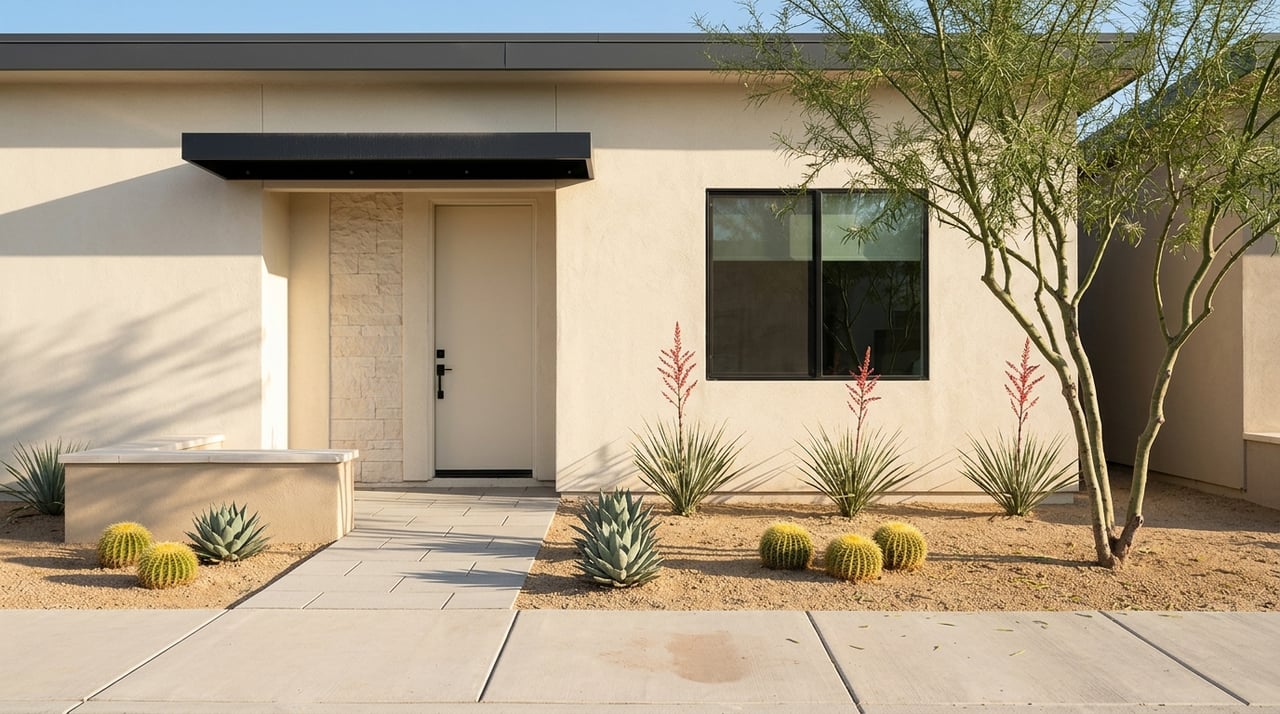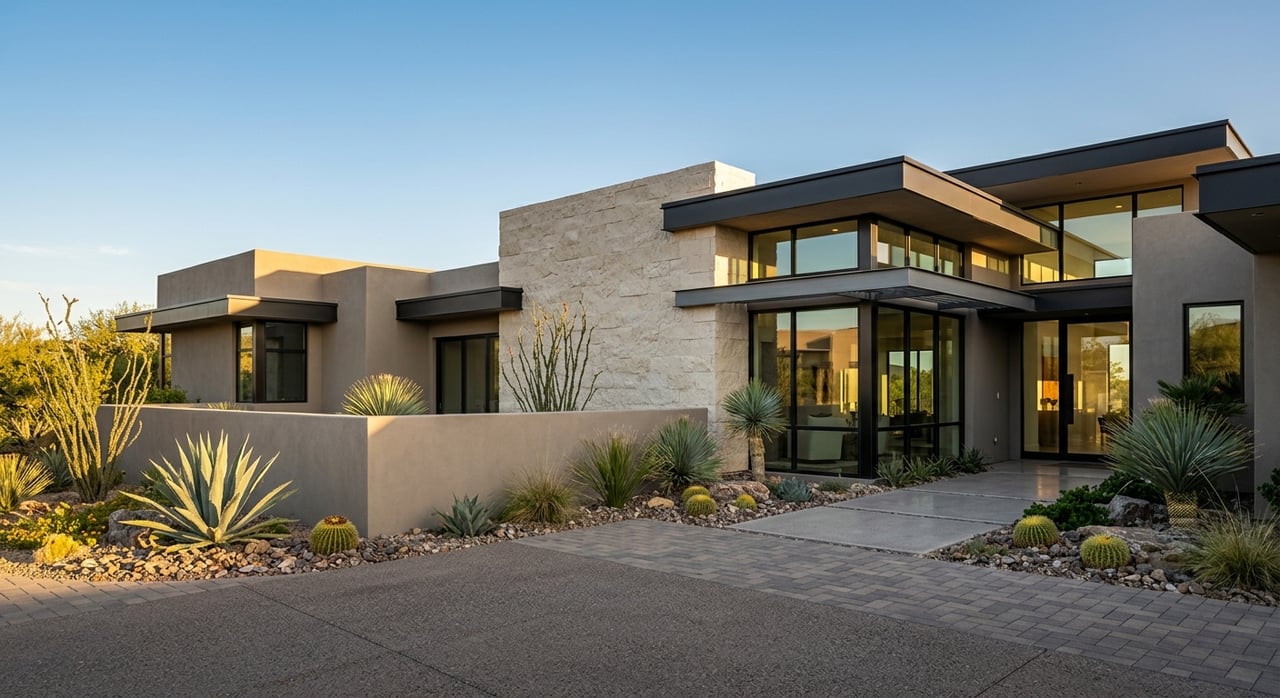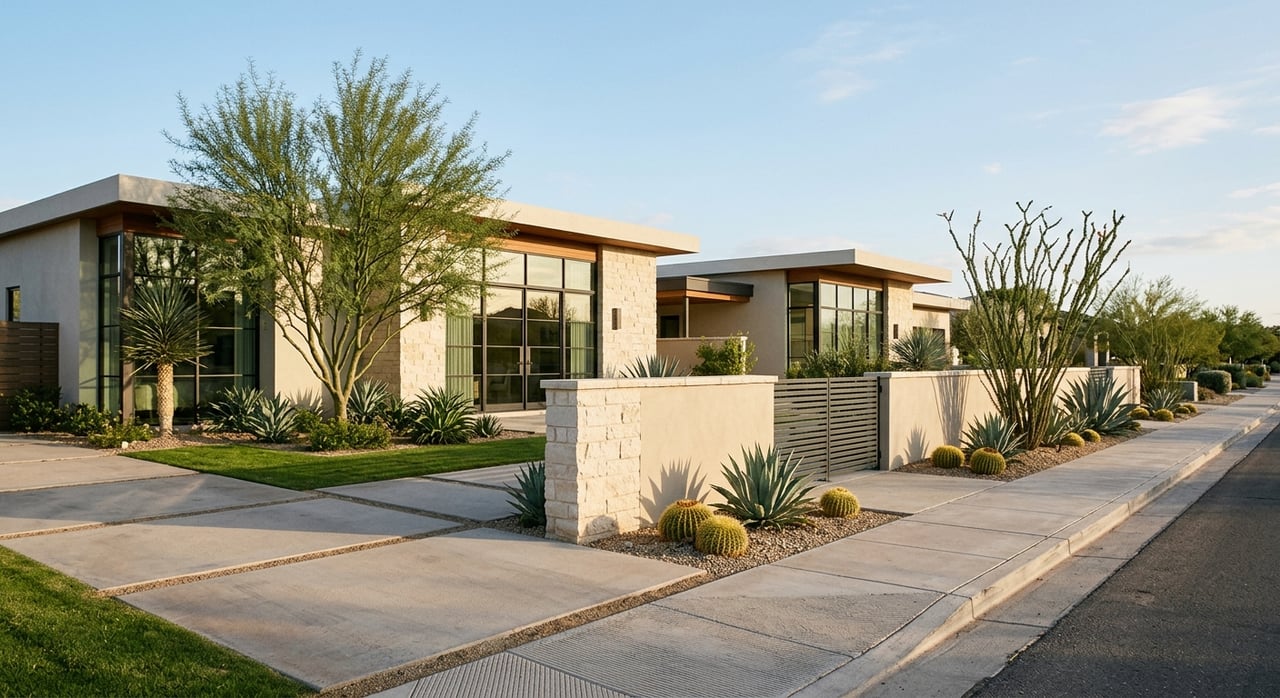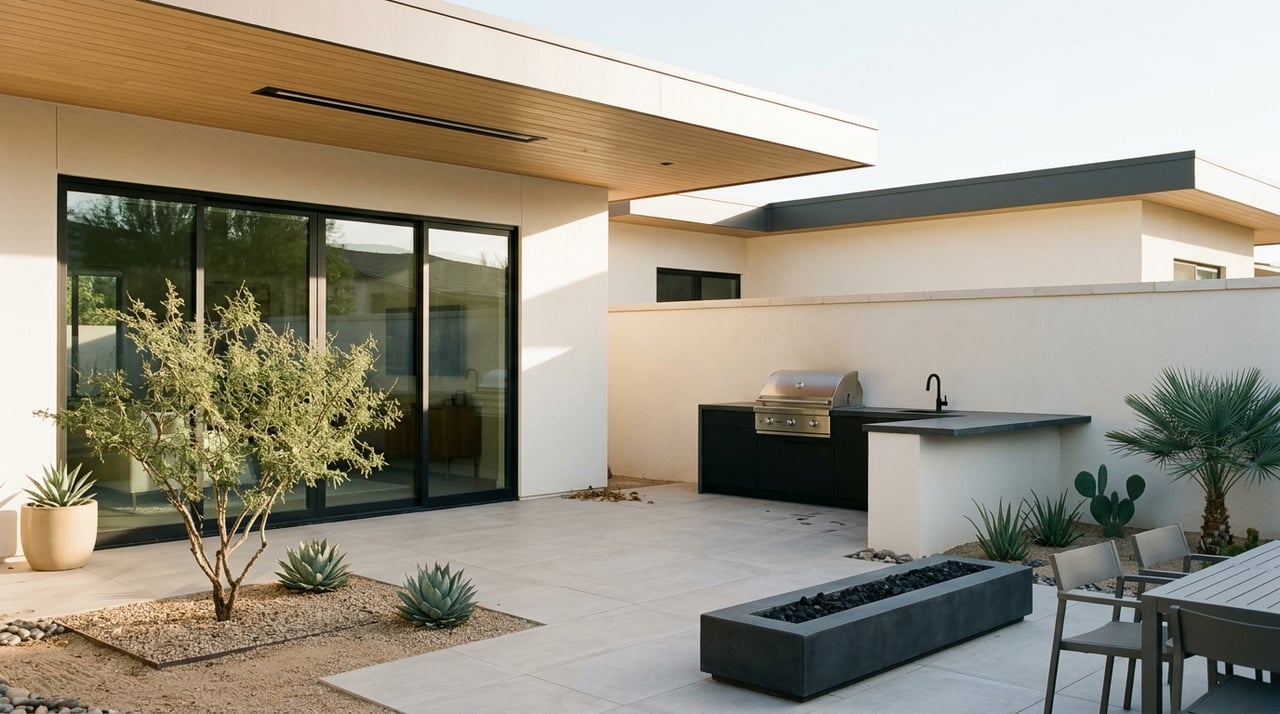
Pull up any portal and Gilbert looks like a single market with a $575,000 median and a mid-4% year-over-year drift. That number is the average of two towns pretending to be one. The older resale core around ZIP 85234 is trading at $296 per square foot as of December 2025. The newer subdivisions in 85298, where most of the town's active construction sits, are trading at $288 per square foot as of April 2026. Smaller home, higher unit price, north of Guadalupe. Larger home, lower unit price, south of Queen Creek Road.
That inversion is the story. And once you understand why builders in south Gilbert refuse to cut sticker prices, the monthly-payment math flips again.
The two Gilberts, side by side
| Metric | 85234 (north / near-downtown) | 85298 (south Gilbert) |
|---|---|---|
| Median sale price | $543K (Dec 2025) | $675K (3 mo. ending Apr 2026) |
| Median $/sqft | $296 | $288 |
| Days on market | 53 | 57 |
| YoY $/sqft change | +5.9% | +0.7% |
| Character of stock | 1990s–2000s resale, mature landscaping, Val Vista Lakes, Morrison Ranch, near Heritage District | Cooley Station, Waterston Central, Sheffield Place, Whitewing at Higley, active builder inventory |
The 85234 median sale price sat at $543K in December 2025 with price-per-square-foot up 5.9% year over year to $296. Over in south Gilbert, the 85298 median ran $675K over the three months ending April 2026 at $288 per square foot, up 0.7% year over year. The town-wide picture reported by Redfin sat at a $580K median and $274 per square foot in March 2026, which is what you'd expect when a lower-density, larger-home market gets averaged against a denser, older one.
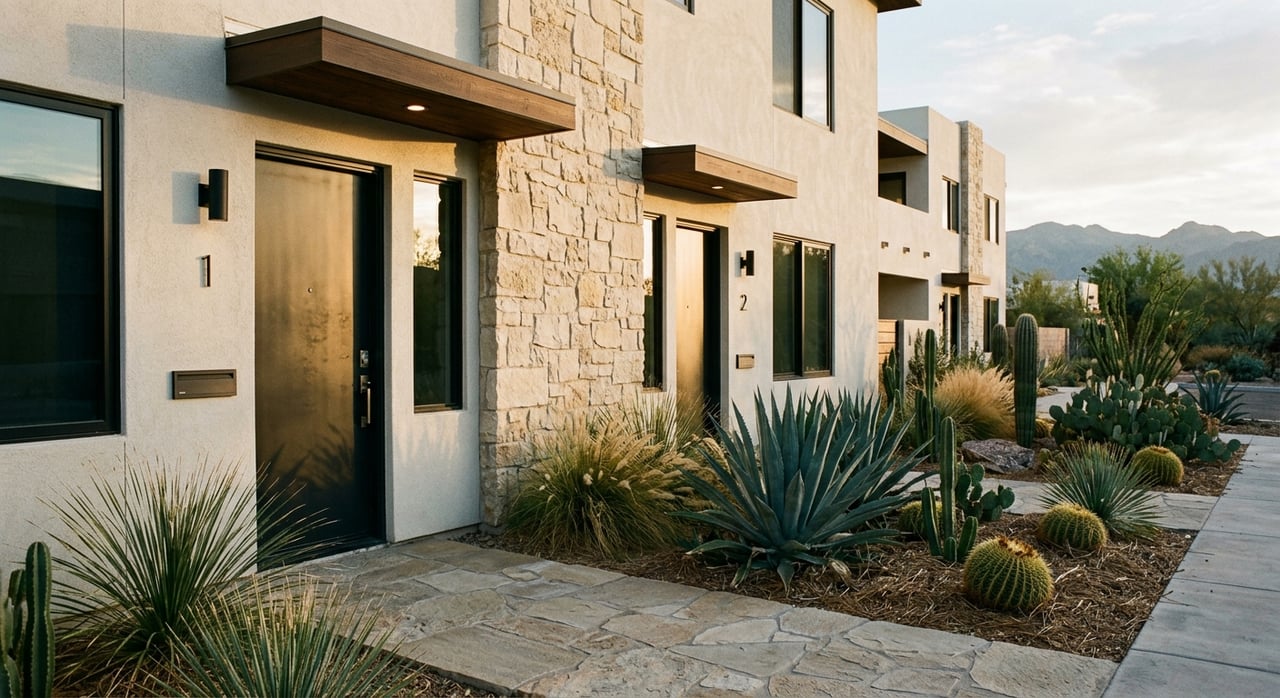
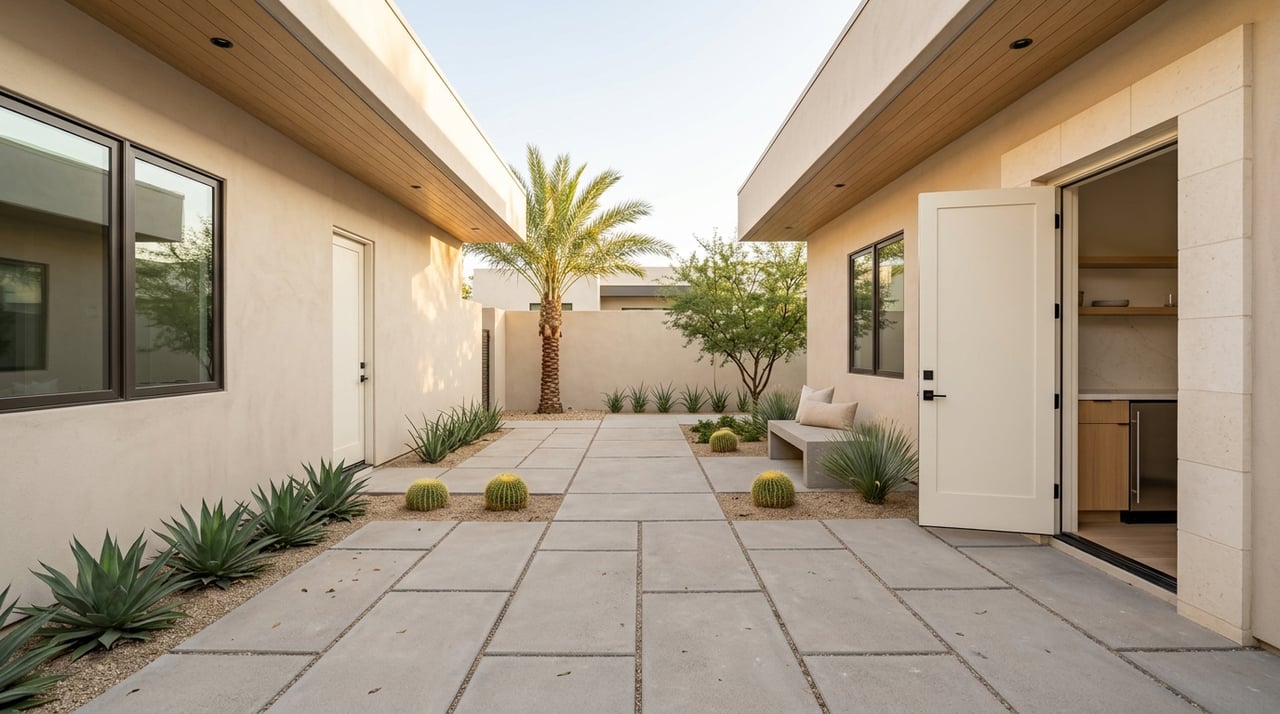
Read the two ZIPs as separate products and the pricing logic clicks into place. Buyers pay a per-foot premium in 85234 because the land is finished, the trees are 25 years old, the schools are already zoned, and the drive to Downtown Gilbert is measured in minutes rather than miles. Buyers in 85298 accept a lower per-foot price because they're absorbing raw square footage in a subdivision still under construction.
What the south is really selling
South Gilbert is not selling houses right now. It is selling monthly payments dressed up as houses.
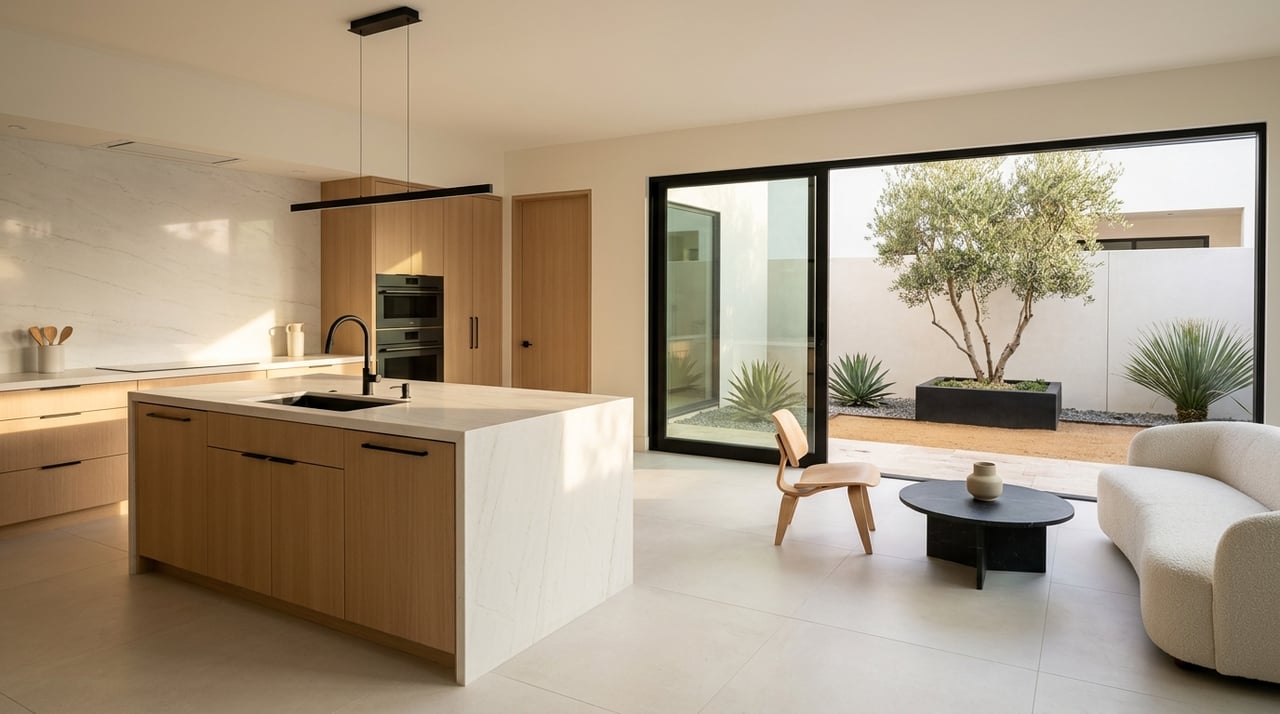
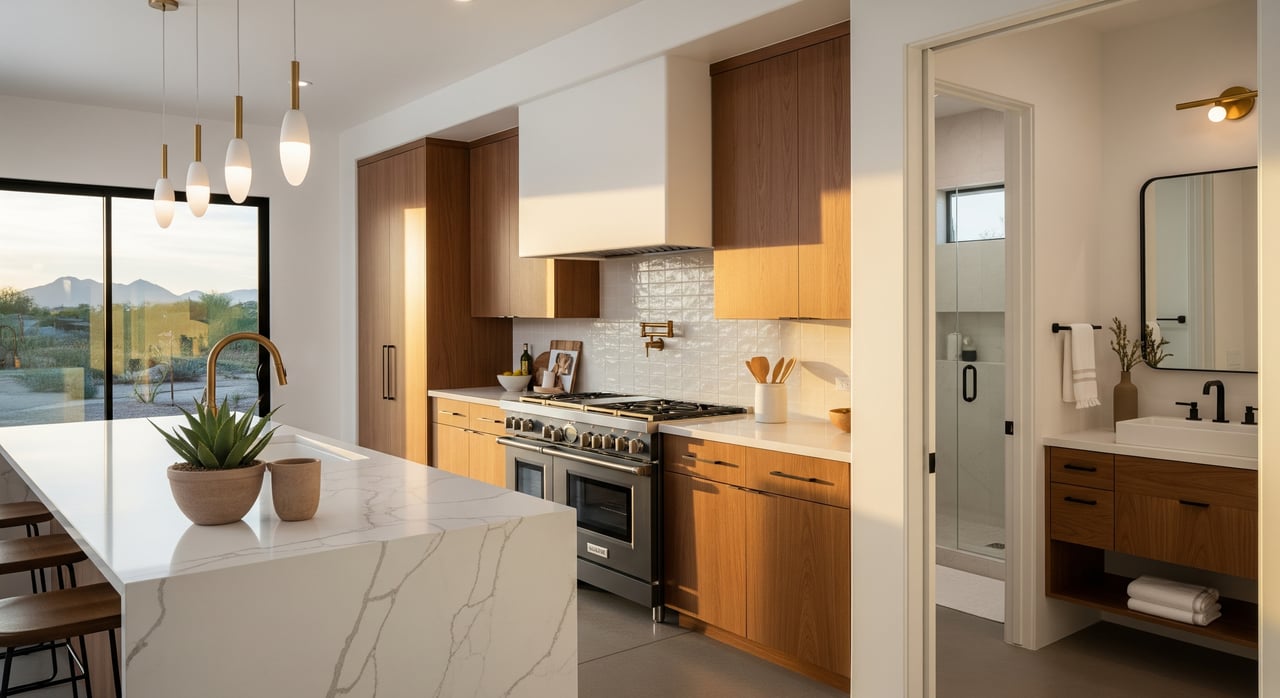
Walk any model in Sheffield Place off Windsor Drive and you'll see base pricing in the high $700s to mid-$800s for K. Hovnanian product on lots between 2,349 and 2,762 square feet. Waterston Central and Canastero list Ventana plans in the same band. Fulton Homes' Seaboard collection at Cooley Station runs from the low $600s on 1,815-square-foot floor plans. New builders active in the corridor include Lennar, Meritage, Brightland (the former Woodside), and Nexstar. On the far end of the price spread, 33 North is placing 10 infill lots across from Freestone Park at low seven figures. That's the retail menu.
The pricing menu is different. Movement Mortgage's June 2026 breakdown of builder incentives lays out what's actually being negotiated at the design center: a rate buydown or a closing cost credit lets a builder advertise a lower monthly payment, which is what most buyers actually shop for, without officially reducing the price, and that is why incentives stay high even when outright price cuts do not.
The mechanism matters. If a builder shaves $40,000 off a $750,000 base, the appraiser walks into the next unit down the street with a fresh comp that just torpedoed the value of every closed neighbor. So instead, the builder writes a check to the lender: a permanent buydown lowers your rate for the life of the loan, with the builder paying points at closing to secure a reduced rate that never steps back up. The headline price holds. The neighborhood comps hold. The buyer's payment drops.
That's the trick. And it's not theoretical in Gilbert. Across parts of the Greater Phoenix Metro, incentives traditionally reserved for quick move-in or inventory homes are now being extended to dirt builds, homes that have not yet started construction. When incentives leak into dirt builds, it means the builder is forecasting softer demand six months out, not just clearing finished stock.
Why the resale side of Gilbert doesn't play the same game
In 85234, the seller is a household, not a corporation. They can't structure a permanent rate buydown out of margin they never had. What they can do is what East Valley resale sellers are already doing in 2026: closing cost credits toward loan origination, title insurance, and escrow fees; two-one buydowns offering a temporary reduction in interest rates; and repair credits for issues surfaced in inspection.
A seller-paid 2-1 buydown on a $543,000 north Gilbert resale typically costs the seller in the range of $8,000 to $12,000 and drops the buyer's effective rate by two full points in year one, one point in year two. That's real. It's also less structural than what a builder can do on a $750,000 new build with a lender relationship, a marketing budget, and 40 more lots to close in the same subdivision.
The practical read: in 2026, a $700K new build in Waterston Central with a builder-paid permanent buydown can carry a lower monthly PITI than a $575K resale in 85234 financed at market rate. The resale still has the better per-foot number. The new build wins the payment. Neither is universally the right answer. Both should be run as actual amortization schedules before you fall in love with either.
The demand story sitting on Gilbert's east edge
One reason builders are willing to keep offering incentives instead of retreating: the pipeline of future rooftops-in-search-of-jobs is filling in. The Ranch, a 311-acre mixed-use project led by IndiCap, Colmena Group, and Langley Properties, received final master site plan approval and is expected to transform the eastern edge of Gilbert with industrial, residential, retail, and open space. Post-buildout, the development is expected to sustain nearly 9,000 ongoing jobs with an annual economic impact of $1.5 billion. Developers anticipate extensive infrastructure work before vertical construction ramps up in 2026.
That employment anchor doesn't move today's median. It does explain why builders in south Gilbert are willing to eat rate points instead of dropping prices. They're pricing to a market they expect to inherit, not the one currently walking through the model.
How to compare a north resale to a south new build without getting fooled
If you're actively shopping both halves of Gilbert, run this sequence before you sign anything:
- Get two actual Loan Estimates. One on a specific 85234 resale at your best market-rate quote. One on a specific 85298 new build using the builder's preferred lender with every incentive applied. Compare the monthly PITI and the cash to close side by side. The headline price is noise; those two numbers are the signal.
- Ask the builder in writing which incentive is permanent and which is temporary. A 2-1 buydown that vanishes in year three is a different product than a permanent rate buy. Both are legitimate. They solve different problems.
- Price the finished condition. A ten-year-old Val Vista Lakes home has landscaping, blinds, appliances, and a functioning irrigation system baked in. A base new build often does not. Add the after-close spend into the comparison before you call one "cheaper."
- Look at the lot premium separately from the base. Builders in Cooley Station and Waterston Central price corner, oversized, and view lots as line items. That premium is rarely negotiable and it doesn't buy square footage.
- If your timeline is longer than two years, weigh a permanent buydown over a design credit. Movement's math on this is clean: if the payment is the priority, a buydown delivers more, and if the payment already works and you'd rather put money toward finishes, a design credit makes more sense.
The read on Gilbert right now
The town is running a moderate 1.36-month supply of inventory with properties selling at 97.87% of asking as of March 2026. That's a market where neither side has a hammer. The pricing action isn't happening in the list price. It's happening in the financing package and the ZIP code you're standing in.
North Gilbert is charging more per square foot for less square footage and calling it location. South Gilbert is charging less per square foot for more square footage and quietly attaching a financing subsidy the resale market can't structurally match. Both are rational. Neither is what the town-wide median suggests.
FAQ
If south Gilbert is cheaper per foot, why is the median higher? Because the homes are bigger and newer. The 85298 median reflects 3,000-plus-square-foot floor plans on newer builder inventory. The 85234 median reflects smaller, older stock. Per-foot pricing is the fairer apples-to-apples read.
Are builder incentives disappearing? Some contraction is showing up. Phoenix-metro reporting in May 2026 noted that some builders were pulling back as spring demand improved and aggressive concession packages may not last. Others are still extending them to dirt builds. Get the current package in writing per community.
Does using the builder's preferred lender lock me in? It usually is the condition of the incentive. You can still shop a competing quote for comparison; sometimes an outside lender has a lower base rate that beats the incentive math, and sometimes it doesn't. Run both.
If you're weighing a Waterston Central floor plan against a Val Vista Lakes resale, or trying to decide whether the north-Gilbert premium is worth paying, a conversation grounded in your specific loan file usually saves more than a weekend of scrolling. Jesse Lowery works both sides of Gilbert and can price the trade-off against your actual numbers.