Trying to choose between northeast Mesa and southeast Mesa? It is a smart question, because these two parts of Mesa can support very different day-to-day routines. If you want to narrow your search with more confidence, this guide will help you compare housing style, commute patterns, recreation, and cost factors so you can focus on the area that truly fits your life. Let’s dive in.
Northeast vs. Southeast Mesa at a Glance
Mesa’s east side follows two distinct development patterns. Northeast Mesa is anchored by established communities like Las Sendas, Red Mountain Ranch, Mountain Bridge, and the Falcon Field area. Southeast Mesa is more closely tied to the Gateway corridor, Eastmark, Cadence, ASU Polytechnic, and Phoenix-Mesa Gateway Airport.
That difference matters because where you live often shapes how you spend your time. One side tends to offer a more established desert-edge feel, while the other leans toward newer planned-community living and growth around the Gateway area.
Northeast Mesa Housing Feel
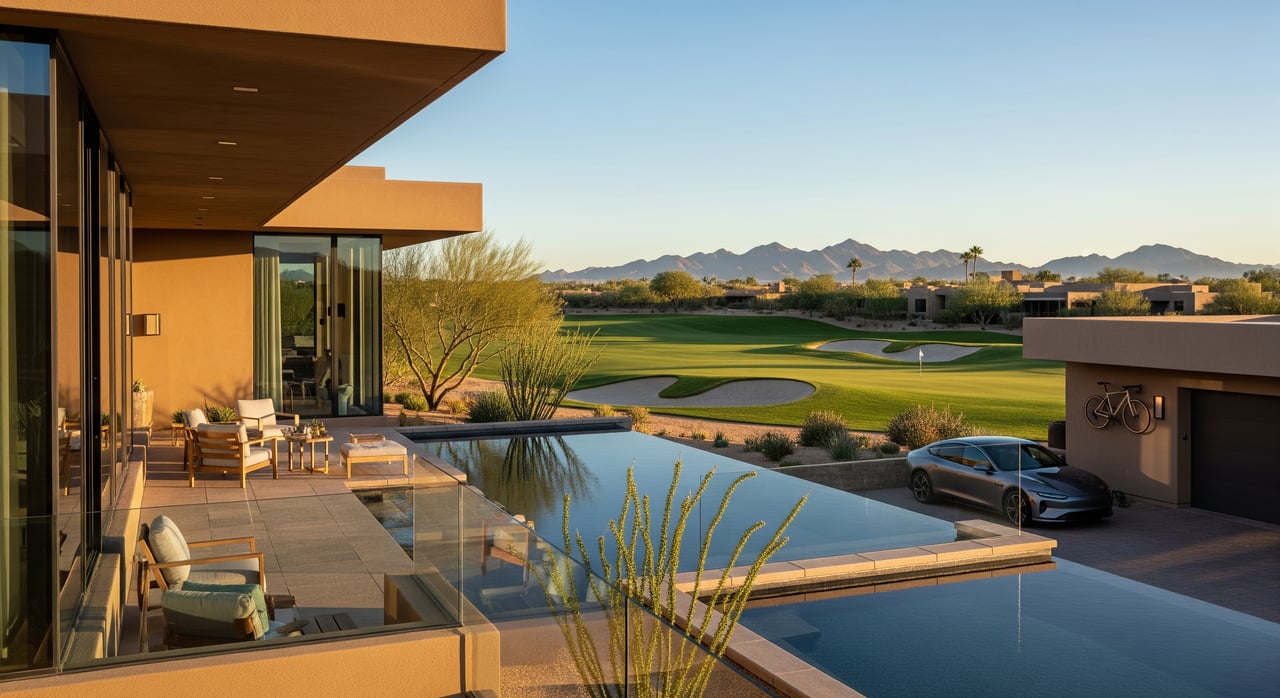
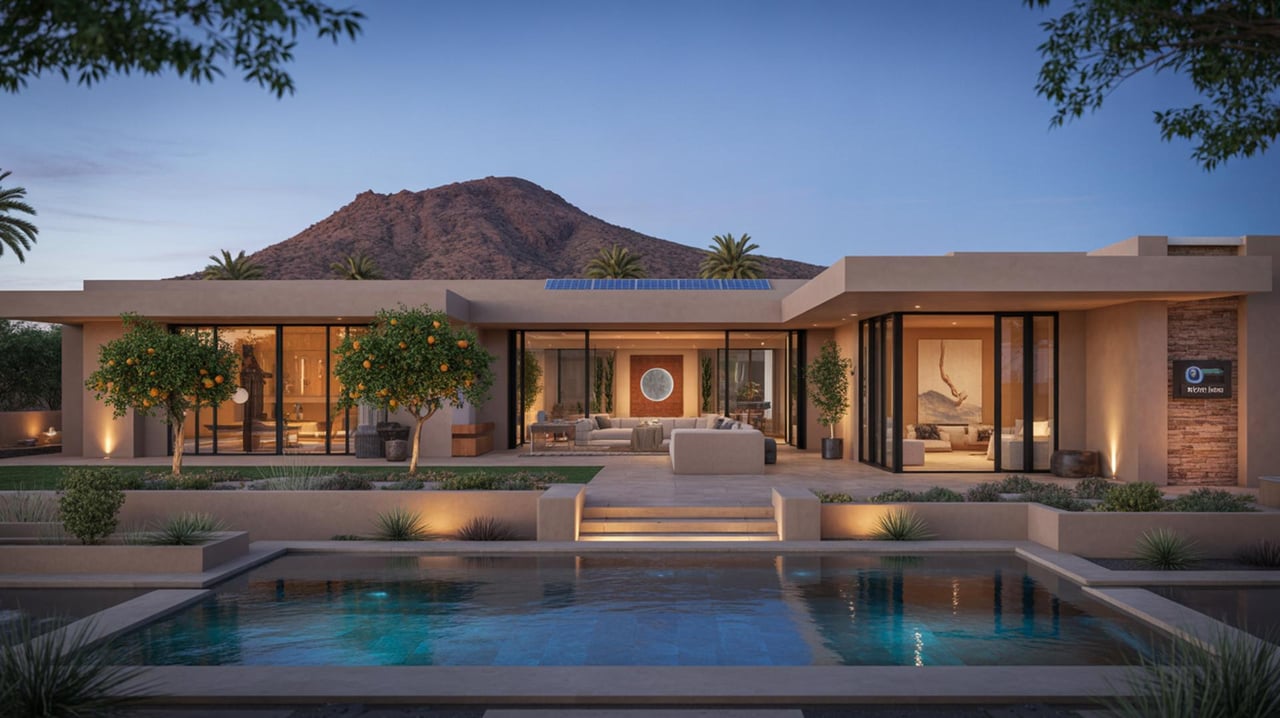
Northeast Mesa is known for mature master-planned communities with a long-established identity. Las Sendas includes more than 3,400 homes, extensive trails, and custom-home guidelines for larger lots. Red Mountain Ranch, built in 1988, includes parks, a lake, and a country club, while Mountain Bridge offers gated neighborhoods, parks, trails, and an Owners’ Club.
If you are drawn to neighborhoods with a settled feel, northeast Mesa often delivers that experience. You may also find a broader mix of home settings, including custom-home pockets and communities shaped by years of growth rather than a single newer development cycle.
Southeast Mesa Housing Feel
Southeast Mesa is more closely associated with newer master-planned development. Eastmark covers a 3,200-acre area south of Elliot, and its planning included a mix of active adult, executive housing, custom homes, single-family homes, apartments, and multi-family dwellings. Eastmark’s current homepage says the final new home has been sold.
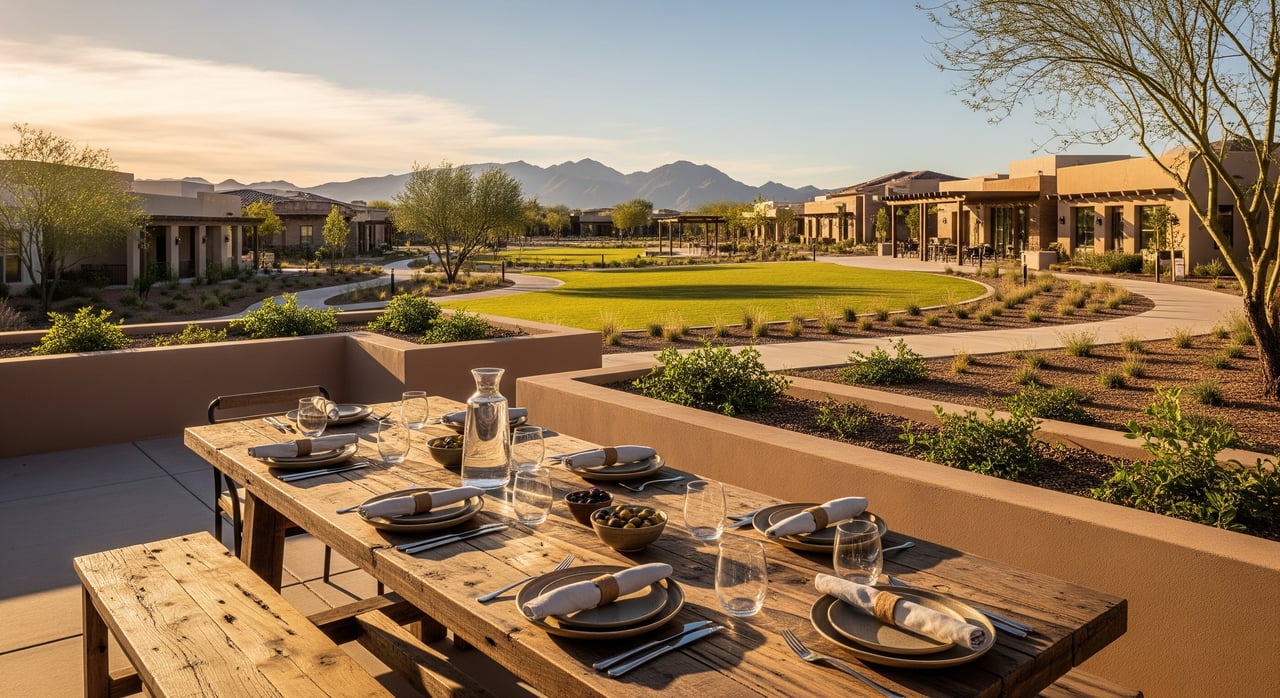
Cadence adds another major option in the Gateway corridor. This 460-acre master-planned community includes single-family detached homes, multi-family residences, and a gated single-family rental neighborhood. For many buyers, southeast Mesa feels newer, more planned, and more connected to current growth patterns.
Commute Patterns Matter
One of the easiest ways to choose between these areas is to think about where your routine happens most often. Your work, airport access, school commute, and favorite destinations can quickly make one side feel much more practical than the other.
In many cases, the best choice is not about which area is objectively better. It is about which location makes your everyday schedule easier.
Northeast Mesa for North Mesa Access
Northeast Mesa is often the more natural fit if your routine centers on Falcon Field or north Mesa. Falcon Field Airport is located in northeast Mesa, and the Red Mountain Freeway runs through that area. Boeing also says its largest Arizona footprint is in Mesa, which adds to the area’s appeal for buyers tied to aerospace or aviation-related employment.
If you expect to use US 60 or Loop 202 regularly, northeast Mesa can make a lot of sense. For buyers who want a commute pattern anchored to the northern part of the city, this side of Mesa often lines up well.
Southeast Mesa for Gateway Access
Southeast Mesa is closely connected to the Gateway employment corridor. Mesa’s Gateway Strategic Plan describes the area around Phoenix-Mesa Gateway Airport as the economic engine for southeast Mesa, and the city identifies the airport as a major activity center co-located with ASU Polytechnic.
ASU says its Polytechnic campus is on East Williams Field Road and works closely with employers including Intel, Honeywell, SRP, Raytheon, and Boeing. If your daily routine is tied to Gateway, ASU Polytechnic, or nearby employment centers, southeast Mesa may offer the more convenient fit.
Road Access and Current Construction
Cadence planning documents highlight access to SR 24 and Loop 202, and Eastmark materials describe the area as convenient to major highways and minutes from Gateway Airport. That regional access is a big reason southeast Mesa continues to attract attention.
There is also a practical timing note to keep in mind. Mesa says Val Vista Drive is being reconstructed from US 60 to Pueblo Avenue, with east-side work from US 60 to Southern Avenue scheduled through June 2026. If your route depends on that corridor, it is worth checking how construction could affect your drive.
Recreation and Lifestyle Differences
Lifestyle is often where the contrast becomes easiest to picture. Both areas offer strong amenities, but they do not always deliver the same type of experience.
A simple way to think about it is this: northeast Mesa tends to shine in outdoor access and desert-edge scenery, while southeast Mesa often stands out for neighborhood-centered amenities and community gathering spaces.
Northeast Mesa Outdoor Appeal
Northeast Mesa has a stronger outdoor recreation identity. Red Mountain Park spans 1,146.3 acres and includes baseball, disc golf, a fishing lake, pickleball, playgrounds, and multiuse sports fields. Red Mountain Center adds a 65,000-square-foot multi-use recreation facility.
Usery Mountain Regional Park brings even more outdoor access with 3,648 acres for hiking, biking, and equestrian use. Las Sendas sits at the foothills of Usery Mountain Regional Park and borders Tonto National Forest, which helps explain why many buyers associate northeast Mesa with mountain views, trail access, and open desert edges.
Southeast Mesa Community Amenities
Southeast Mesa tends to offer more lifestyle programming inside the neighborhoods themselves. Eastmark Great Park includes a shaded splash pad, lake and pavilion, baseball fields, dog park, fishing pond, playgrounds, and an exercise course. The Gateway Library is also located in Eastmark’s Great Park.
Cadence features 13 parks, a resort-style pool system, a fitness center, trails, and a wide range of court sports and gathering spaces. If you want amenities built directly into the community and a lifestyle centered around neighborhood facilities, southeast Mesa may feel like the stronger match.
Cost Structure Beyond Price
When you compare these two parts of Mesa, it helps to look past the list price. The real monthly or annual cost of ownership can include assessments or association fees that change the full picture.
This is one area where a side-by-side review can save you from surprises later. Two homes with similar prices may carry very different long-term costs.
Southeast Mesa CFD Costs
In southeast Mesa, Mesa says the Eastmark and Cadence Community Facility Districts were formed to fund items such as parks, roadways, sewer, water, storm drain, signage, street lights, landscaping, and related improvements. The city says those assessments are billed against the property.
Mesa also says its CFD areas are in ZIP code 85212. If you are considering a home in that area, it is important to review how those charges affect your budget along with taxes, HOA dues, and mortgage payment.
Northeast Mesa HOA Costs
Northeast Mesa communities can also carry meaningful association costs. In Las Sendas, homeowners become members of the association and pay quarterly assessments. The HOA’s 2026 schedule lists $534.99 per quarter for all Las Sendas lots, with higher assessments in some enclaves.
That does not make one side automatically more or less expensive. It does mean you should compare the full cost structure of each property instead of assuming a lower sale price or newer home will always be the better value.
Which Area Fits You Best?
If you want established master-planned neighborhoods, stronger access to Usery Mountain and Red Mountain recreation, and a housing mix that includes custom-home pockets, northeast Mesa may fit you best. It often appeals to buyers who value a more established setting and desert-edge surroundings.
If you want the Gateway and ASU Polytechnic commute pattern, newer planned-community living, and amenities designed around parks and gathering spaces, southeast Mesa may be the better fit. It often works well for buyers whose routine is anchored to the southeast growth corridor.
For most people, the decision comes down to your daily pattern. Ask yourself whether your lifestyle is pulled more toward north Mesa access and outdoor recreation, or toward Gateway-area convenience and newer community design.
If you are weighing homes in Mesa and want help comparing not just location, but also neighborhood fit, resale potential, and property condition, the Lowery Premier Team can help you make a more informed move.
FAQs
What is the main difference between northeast and southeast Mesa?
- Northeast Mesa is generally defined by more established master-planned communities and stronger desert-edge recreation access, while southeast Mesa is more closely tied to newer planned communities and the Gateway corridor.
Is northeast Mesa better for outdoor recreation in Mesa?
- Northeast Mesa has a stronger outdoor recreation identity, with access to places like Red Mountain Park and Usery Mountain Regional Park, plus communities near trails and mountain views.
Is southeast Mesa better for commuting to Gateway jobs?
- Southeast Mesa is typically the better fit if your routine is centered on Phoenix-Mesa Gateway Airport, ASU Polytechnic, or nearby employers in the Gateway corridor.
Are there extra property costs in southeast Mesa neighborhoods?
- Yes. Mesa says Eastmark and Cadence Community Facility District assessments are billed against properties in those areas, so you should review those costs along with other ownership expenses.
Are HOA fees common in northeast Mesa communities?
- They can be. For example, Las Sendas has quarterly HOA assessments, and some enclaves may have higher costs than the base community amount.
Is Eastmark still selling new homes in southeast Mesa?
- Eastmark’s current homepage says the final new home has been sold, so buyers may need to compare resale options there with current new-build or near-new choices in communities like Cadence.